
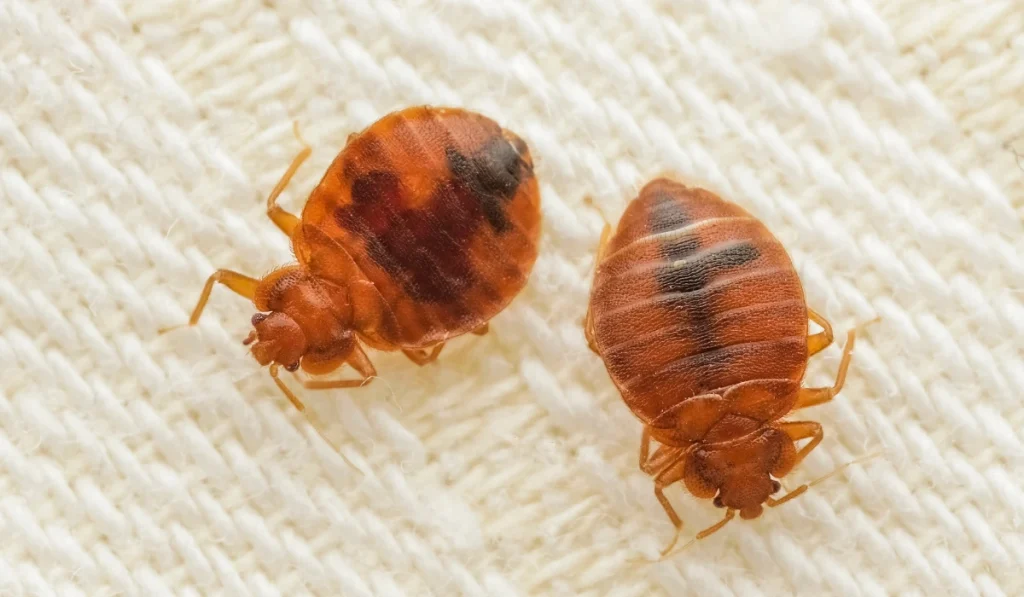
California bed bugs spread through luggage, used furniture, and belongings carried between homes, hotels, and apartments. Cleanliness has little to do with whether they show up. These blood-feeding insects hide near sleeping areas, where they leave rusty stains, dark droppings, and shed skins that homeowners often notice before finding a live bug. Identifying those signs early matters because bed bugs are difficult to eliminate with sprays or foggers alone. Here’s what California residents should know about finding an infestation, getting effective treatment, and avoiding another introduction.
Why California Bed Bugs Show Up in Clean Homes
Bed bugs need access to people, not dirty surroundings. Unlike ants or cockroaches, they don’t enter homes looking for food crumbs or garbage. They feed on blood, usually while people are sleeping, then retreat into nearby hiding places.
A well-maintained home can develop a bed bug infestation after a single introduction. Clutter makes the insects harder to find, but removing clutter alone won’t eliminate them. The bigger concern is how they move from one property to another.
Travel and Hotel Stays
Bed bugs can travel inside suitcase seams, overnight bags, folded clothes, and other belongings. Someone staying in an infested hotel room or vacation rental may bring insects home without seeing them.
This matters in California, where residents and visitors regularly travel between cities such as Los Angeles, San Diego, and San Francisco. Bed bugs don’t need to crawl into a home from outdoors when they can arrive inside luggage.
The Centers for Disease Control and Prevention’s bed bug guidance identifies frequent travel and shared sleeping accommodations as exposure risks. A hotel doesn’t have to look neglected to harbor bed bugs, so checking the bed before unpacking is worthwhile.
Apartments and Shared Buildings
In apartment buildings, bed bugs can move between units through cracks, wall openings, and gaps around pipes or electrical installations. Finding them in one apartment doesn’t establish where the infestation began.
A tenant might bring bed bugs home after traveling, or the insects may spread from another unit. Either situation requires attention because treating one bedroom may not resolve activity elsewhere in the building.
If you suspect bed bugs in an apartment, document the evidence and notify the landlord or property manager in writing. Coordinated inspections can help determine which areas need treatment. Avoid carrying infested furniture into shared hallways or other units.
Secondhand Furniture and Moving
Used couches, upholstered chairs, mattresses, and bed frames can conceal bed bugs even when their visible surfaces look clean. Upholstery seams, screw holes, wooden joints, and fabric folds provide hiding places for insects and eggs.
Examine these areas before buying or moving furniture. Removing cushions and checking underneath a piece can reveal evidence that a quick look at the exterior would miss.
Be especially careful with discarded mattresses or upholstered furniture of unknown origin. Bringing an infested item indoors can introduce bed bugs directly into the rooms where people spend the most time resting.
How to Recognize the Earliest Signs of Bed Bugs
The earliest signs of bed bugs often appear around a mattress or bed frame. Because the insects hide during the day, you may find stains, droppings, or shed skins before seeing one move.
Adult bed bugs are flat, oval, and reddish-brown, with bodies roughly the size of an apple seed. Young bed bugs, called nymphs, are smaller and lighter in color. After feeding, their bodies become swollen and more elongated.
Rusty Stains and Dark Droppings
Small reddish stains on sheets or mattresses can result from crushed bed bugs. Dark brown or black dots along mattress seams, box springs, or headboards may be fecal spots left where the insects hide.
These bed bug droppings often resemble tiny ink marks. On absorbent fabric, the spots can soak into the material instead of brushing away like loose dirt.
Finding several marks concentrated along a mattress seam deserves closer inspection. However, stains alone aren’t enough to identify an infestation because other substances can leave similar marks.
Shed Skins and Eggs
Young bed bugs shed their outer skins as they grow. The discarded casings are pale, translucent, and shaped like the insects themselves.
You may find these skins tucked into mattress piping, furniture joints, or cracks in a headboard. Bed bug eggs are even smaller, with a pale appearance that makes them difficult to distinguish from surrounding material.
Look for several types of evidence in the same hiding place. Shed skins, eggs, droppings, and live insects together provide a clearer indication of bed bug activity than any single mark.
Bites After Sleeping
Bed bug bites may produce itchy bumps on exposed skin, including the arms, neck, shoulders, hands, and legs. Marks can appear in lines, clusters, or irregular patterns.
However, bites alone cannot confirm bed bugs. Mosquito bites, flea bites, and other skin reactions may look similar, and some people show no visible response to bed bug feeding.
The CDC reports that bite marks can take as long as 14 days to develop in some people. That delay also makes it difficult to determine exactly when exposure occurred.
Bed bugs aren’t known to transmit diseases to humans. Their bites can still cause itching, disturbed sleep, and allergic reactions. Excessive scratching may also lead to a secondary skin infection.
Where to Inspect First
Start with the bed rather than searching the entire room at random. Pull back the sheets and examine the mattress seams, corners, tags, and fabric piping.
Use a flashlight to inspect the box spring, headboard, and bed frame. Pay particular attention to screw holes, wooden joints, and narrow openings where insects can shelter.
Then check nearby nightstands, upholstered furniture, and accessible cracks around the bed. Bed bugs can also hide behind loose wallpaper or baseboards when an infestation becomes more established.
If you find a suspicious insect, place it in a sealed container or take a clear photograph for identification. Keep furniture in place until you understand the extent of the problem, since unnecessary movement can spread insects to other rooms.
Why Bed Bug Sprays and Foggers Often Fail
Store-bought bed bug sprays can kill susceptible insects when the product reaches them, but that doesn’t mean the infestation is gone. Bed bugs spend much of their time in spaces that are difficult to access, including furniture joints and cracks around sleeping areas.
Eggs can also survive some treatments. In addition, certain bed bug populations have developed resistance to commonly used insecticides, making product selection and application more complicated.
Repeated spraying without identifying the hiding places can leave much of the infestation untouched. Improper pesticide use may also create unnecessary exposure risks for the household.
Why Foggers Aren’t a Complete Treatment
Foggers disperse pesticide into a room, but they cannot be relied upon to reach bed bugs concealed deep inside cracks and furniture. An insect hidden within a bed frame may remain protected even when exposed surfaces receive treatment.
Using more foggers doesn’t resolve that limitation. Improper use also carries fire, explosion, and pesticide exposure risks.
The Environmental Protection Agency’s integrated bed bug management guidance recommends combining inspections, monitoring, physical control methods, and appropriate pesticide applications. Effective control depends on locating and addressing the insects rather than treating the room indiscriminately.
What Homeowners Can Do Before Treatment
You can take several useful steps while arranging a professional inspection. Vacuum accessible mattress seams, furniture joints, and cracks where insects may be hiding. Seal the vacuum contents in a bag and dispose of them promptly.
For dryer-safe clothing and bedding, the EPA recommends a high-temperature drying cycle lasting 30 minutes to kill bed bugs. Washing alone may not provide the same results.
Keep potentially infested belongings contained, and avoid transferring them between bedrooms. Don’t apply pesticides to mattresses, clothing, or other items unless the product label specifically permits that use.
How Professional Bed Bug Treatment Works
Professional bed bug treatment starts with identifying the infestation’s location and extent. A technician examines the evidence, checks likely hiding places, and determines which areas require attention.
The treatment plan depends on what the inspection reveals. Some infestations call for targeted pesticide applications, while other situations may involve controlled heat, physical removal, or a combination of methods.
Inspection and Preparation
Technicians typically begin around beds, box springs, headboards, and nearby furniture. They examine seams, joints, and other protected spaces for live insects, eggs, shed skins, and droppings.
The inspection may extend to surrounding furniture and wall openings if the evidence suggests activity beyond the original sleeping area.
Before treatment, residents may need to launder bedding, organize belongings, reduce clutter, or move furniture to provide access. Follow the technician’s preparation instructions rather than emptying the room without guidance.
Heat Treatment and Targeted Applications
Professional heat treatment raises the temperature of an infested area or item to levels that kill bed bugs and their eggs. The main challenge is ensuring that sufficient heat reaches the places where insects are hiding.
Specialized equipment and temperature monitoring help professionals achieve the necessary exposure. Portable household heaters are not a suitable replacement and may cause fire or property damage.
Targeted pesticide treatment works differently. A technician applies approved products to identified hiding places, such as cracks, bed frames, box springs, and furniture joints, according to product-label requirements.
Round The Clock Pest Services’ bed bug control process includes treatment around beds, headboards, box springs, and furniture footings using targeted applications. The exact work depends on the inspection findings and the conditions in the affected room.
Follow-Up Inspections and Monitoring
A single treatment doesn’t guarantee that every hidden insect or egg has been eliminated. Remaining activity may require further attention, especially when bed bugs occupy multiple hiding places.
Follow-up inspections and monitoring help determine whether live bed bugs remain. Bed bug interceptors and other monitoring devices can provide evidence of continued activity.
Residents should report new sightings and follow the treatment provider’s instructions. In apartment buildings, cooperation between occupants and property management can help prevent untreated areas from becoming continuing sources of infestation.
How to Prevent Bed Bugs After Travel or Moving
Bed bug prevention focuses on belongings and places where people sleep. You cannot eliminate every chance of exposure, but careful inspection can reduce the likelihood of bringing insects into your home.
Travel and moving deserve particular attention because luggage, boxes, and furnishings can transport bed bugs without obvious warning signs.
Before Unpacking at a Hotel
Inspect the mattress seams, headboard, and nearby furniture before placing belongings on the bed. Look for live insects, dark fecal spots, or shed skins.
Keep luggage away from upholstered surfaces during the inspection. Use a suitable luggage rack positioned away from the bed and walls when one is available.
If you find evidence of bed bugs, notify hotel management and request assistance. Check your belongings carefully before moving rooms or returning home.
After Returning From a Trip
Examine your suitcase before storing it in a bedroom closet. Pay attention to zippers, fabric seams, pockets, and folded material.
Place dryer-safe travel clothing through a high-heat drying cycle for 30 minutes, following the fabric care instructions. Inspect luggage carefully and keep potentially exposed items contained until you’ve checked them.
These habits are especially useful after staying somewhere with known or suspected bed bug activity.
Before Moving Into a New Home
Inspect existing beds, upholstered furniture, and sleeping areas before unpacking your belongings. Check furniture left behind by previous occupants, particularly around seams and joints.
Examine secondhand purchases before bringing them into the property. Mattress encasements designed for bed bug management can also help contain insects already inside a mattress and make future inspection easier.
If you find suspicious evidence during a move, arrange an inspection before distributing furniture and belongings throughout the home.
Getting Bed Bugs Under Control in Your California Home
Bed bugs can enter clean homes through travel, furniture, and belongings carried between properties. Rusty mattress stains, dark droppings, shed skins, and live insects provide stronger evidence of an infestation than bites alone.
Effective treatment depends on finding the hiding places and using methods suited to the affected areas. Laundering, careful handling of belongings, professional treatment, and continued monitoring all have a role in controlling bed bugs and reducing the chance of another introduction.
If you’ve found signs of California bed bugs, Round The Clock Pest Services can help assess the problem and recommend a treatment approach for your home. The company serves communities throughout Los Angeles and the San Francisco Bay Area.
Contact Round The Clock Pest Services to request a free quote and describe the stains, insects, or other evidence you’ve noticed. Getting the problem identified is the first step toward choosing the right treatment.