
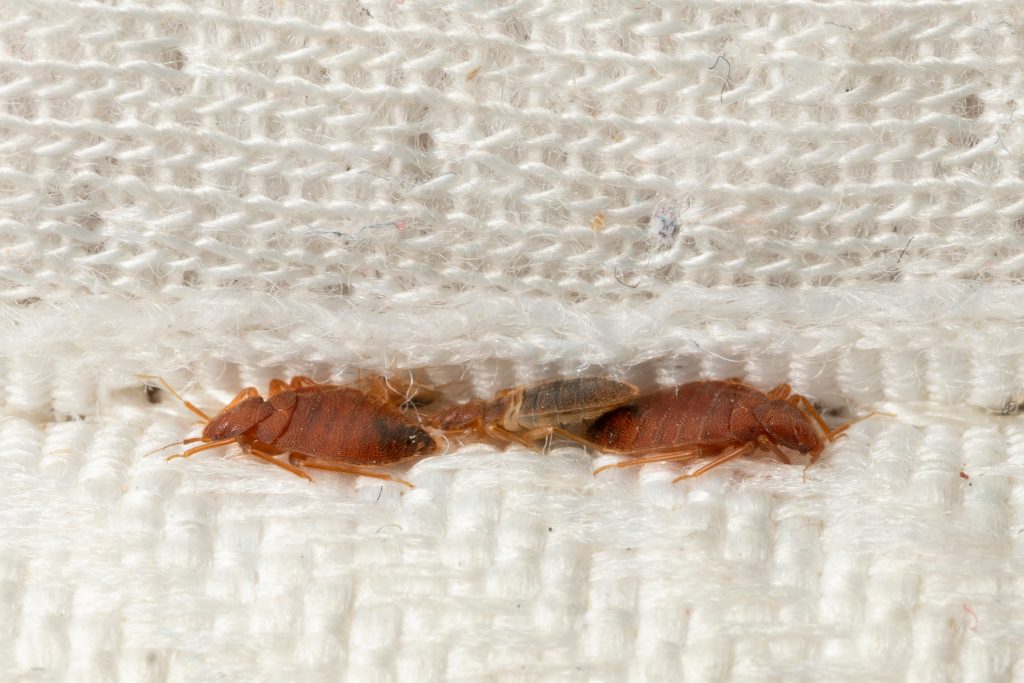
Bed bug droppings can cause costly problems when early signs are missed. Learn the signs, risks, and when to call Round the Clock Pest Services.
Key Takeaways About Bed Bug Droppings
- Bed bug droppings appear as small dark spots on bedding and nearby surfaces, and recognizing them early can help you identify a possible bed bug infestation in your home.
- These droppings are one of several signs of bed bugs you may notice, along with stains and other marks left in areas where bed bugs tend to hide.
- Good sanitation and careful inspection of your sleeping areas are important first steps when you suspect bed bug activity.
- A professional inspection, including canine-assisted detection, can help confirm whether bed bug droppings point to an active problem that needs treatment.
How to Identify Bed Bug Droppings
Bed bug droppings are one of the earliest signs of an infestation, often appearing before you ever see a live bug. Learning to identify fecal marks and stains can help you catch a problem sooner. According to Oregon State University Solve Pest Problems, homeowners should know how to identify bed bug eggs, discarded skins, fecal marks, and stains so they can act quickly.
How to Tell Bed Bug Dropping Types Apart
Bed bug fecal spots are just one of several signs you may find in a hiding area. According to Purdue Extension, infestations can produce fecal spots, bloodstains, shed skins, and bugs at various life stages in the same location. Fecal marks tend to look like small, dark dots, while bloodstains are typically reddish. Shed skins are translucent casings left behind as bed bugs grow. Recognizing the difference between these signs helps you confirm whether droppings are present.
How to Spot Bed Bug Dropping Activity Inside Your Home
When inspecting your home, look closely at mattress seams and tufts. These tight spaces are common hiding areas where fecal spots, shed skins, and eggs can collect together. Stains on sheets are another indicator worth checking.
If you travel frequently, bring these inspection habits with you. According to UC IPM, you should look for signs of bed bugs in hotel rooms by checking behind headboards and under sheets and by inspecting mattress seams and tufts, especially if you have been bitten. Spotting signs early while traveling can help you avoid bringing bed bugs home.
Where Bed Bug Dropping Activity Shows Up Around Homes
Fecal spots and other signs tend to concentrate in hiding areas where bed bugs gather. These areas often include seams, tufts, and folds in and around sleeping surfaces. In an active infestation, you may find bugs at various life stages alongside fecal marks and bloodstains in these same spots.
Training yourself and your household to recognize these signs is a practical first step. As the EPA notes, learning to identify bed bugs and recognize signs of infestation is an important part of staying ahead of a problem.
Exterior Entry Points bed bug Use
Bed bug droppings themselves do not travel or use entry points. Instead, the bugs that produce them can arrive through luggage, clothing, or other personal belongings after travel. Once inside, they settle into hiding areas and leave behind the fecal spots and stains that signal their presence. Regularly inspecting your belongings after trips and checking common hiding spots at home are practical ways to identify signs of bed bug activity before it grows.
Why Bed Bug Droppings Problems Develop
Bed bug droppings appear wherever these pests settle in to feed and hide. Because bed bugs depend solely on blood for food, they stay close to sleeping and resting areas in your home. The tiny dark spots they leave behind often go unnoticed until the population grows, and by then, droppings may be visible across several surfaces. Understanding where these insects shelter and how they travel helps explain why droppings accumulate the way they do.
Outdoor Nesting Areas for Bed Bugs
Bed bugs are indoor pests, not outdoor ones. They do not build nests outside. Instead, they tuck themselves into cracks and crevices in furniture, personal belongings, and areas near where you sleep. According to Texas A&M AgriLife Extension, bed bugs are not a sign of poor hygiene and can be found in high-end hotels as well as budget accommodations. Any location where people rest can harbor bed bugs and the droppings they leave behind.
Food and Shelter That Attract Bed Bugs
Bed bugs feed on human blood and usually bite when people are sleeping. Their sole food source is what keeps them anchored to bedrooms and living areas. They hide along mattress seams, within box springs, and inside cracks in headboards and furniture. Because they can develop large infestations over time, droppings and reddish stains often build up on bed sheets, baseboards, and wall crevices.
How Bed Bugs Move Around Homes
As a population grows, bed bugs spread to new hiding spots. You may notice signs on box springs, furniture, and personal belongings in rooms you would not expect. Droppings can appear behind baseboards, inside electric or telephone outlets, and beneath furniture. Some people have no reaction to bites and may not realize an infestation is expanding until droppings become widespread.
Trails and Entry Points Bed Bugs Use
Bed bugs often arrive in your home through personal belongings, luggage, or secondhand furniture. Once inside, they follow cracks and crevices to settle near sleeping and resting sites. Tiny dark spots along mattress seams, furniture joints, and wall crevices trace the paths bed bugs use as they move between hiding places and feeding areas. Checking these entry points regularly can help you spot droppings before the problem grows.
Risks From Bed Bug Droppings
Bed bug droppings are more than an unpleasant sight on your mattress. The fecal spots these pests leave behind point to an active feeding population, and where droppings accumulate, the concerns for your household grow. Understanding what those dark spots mean helps you act before the situation worsens.
Health Risks Linked to Bed Bugs
Bed bugs are specialized pests that feed on blood from humans and other animals. According to Oregon State University Solve Pest Problems, they cause itching, skin irritation, and embarrassment. Dried blood excrement found along mattress seams and folds is a direct byproduct of that feeding cycle. The presence of droppings confirms that bed bugs are actively biting and digesting blood meals in your sleeping area.
Because bed bug droppings collect in the same spots where you rest, prolonged exposure to an untreated infestation can compound the discomfort and stress associated with these pests.
Property Damage From Bed Bugs
Dried blood excrement tends to build up around the tufts, seams, and folds on regularly used mattresses or furniture. Over time, these stains can mark bedding, upholstered surfaces, and soft furnishings in ways that are difficult to reverse.
As the infestation grows, bed bugs may move away from the bed to other furniture, hiding in cracks along floorboards, under switch plates, and even inside electronics such as clocks, televisions, and smoke detectors, according to Kansas State University Extension. Droppings follow that spread, appearing in new areas throughout your home.
Food Areas and Bed Bug Dropping Activity
While bed bugs are drawn to sleeping and resting areas rather than food sources, a growing population can migrate into unexpected parts of the home. Fecal spots found near living spaces where you also eat or prepare meals are a sign that the infestation has expanded well beyond the bedroom. Spotting droppings in those areas warrants a closer look at the full scope of the problem.
When to Look Closer at Bed Bug Dropping Activity
If you notice even a few dark spots on your mattress or furniture, it is worth investigating further. A mature female bed bug can produce 200 to 500 eggs in her lifetime, so a small number of droppings today may represent a rapidly growing population.
Prevention is the best, but often the most difficult, way to manage bed bugs. Specially designed mattress encasements are helpful in preventing infestations and sealing bed bugs within so they cannot bite. If droppings keep appearing despite your efforts, a professional inspection can help clarify the full extent of activity in your home.
Professional Pest Control for Bed Bug Droppings
If you have noticed small dark stains on your bedding, sheets, or mattresses, you may be dealing with bed bug droppings. Addressing bed bug droppings means addressing the infestation itself, and that usually requires professional help combined with your cooperation at home.
How to Reduce Attractants for Bed Bugs
Bed bug droppings appear wherever bed bugs hide and feed, so reducing hiding spots is key. Mattress and box spring encasements keep bed bugs from entering the mattress and remove hiding places. According to Purdue Extension, encasements also make future inspections and treatments much easier.
Good communication and cooperation between you and your pest management provider are important. An integrated program that may include steam treatments, encasements, and inorganic powders such as diatomaceous earth works best when both parties stay coordinated. Keeping sleeping areas uncluttered helps limit the crevices where bed bugs can settle.
Why Bed Bug Control Starts With Inspection
Finding bed bug droppings early can help confirm an infestation before it becomes more serious. Inspect mattresses, box springs, and headboards for fecal or blood spots. Bed bugs are large enough to see and are usually found hiding in seams, tufts, and crevices of bed frames and headboards.
In more serious infestations, bed bugs may also be found in upholstered chairs and sofas, hiding along seams and in crevices. Round the Clock Pest Services uses dogs for bed bug inspections, adding another layer of thoroughness to the detection process. Bites may also be a first sign, usually appearing as small welts that itch and sometimes swell.
What to Expect During Professional Bed Bug Treatment
Professional treatment targets the bed bugs producing those droppings. Service professionals typically apply liquid treatments to bed frames, baseboards, inside furniture, and to most cracks and crevices where bed bugs may hide. These applications are most effective when applied directly to the bed bugs rather than relying on them to crawl over dry residues.
Nonchemical treatments are often necessary as well. Mattress and box spring encasements permanently seal bed bugs inside, addressing any that may have avoided other control measures. Pest management professionals know which encasement products work best for your situation.
What to Expect From a Bed Bug Control Plan
A thorough bed bug control plan from Round the Clock Pest Services, a woman-owned and operated company, focuses on quality and communication. Your service professional will contact you before arrival and walk you through the steps involved. Round the Clock emphasizes 100% satisfaction and a strong customer experience throughout the process.
Because bed bug infestations can range from a few hiding spots to widespread activity across furniture and upholstery, your control plan will be tailored to what the inspection uncovers. Ongoing cooperation between you and your provider helps the integrated approach work as intended, giving the treatment plan the best chance of addressing the full infestation.
Bed Bug Droppings: Bottom Line
Bed Bug Droppings are one of the clearest early warnings that an infestation may be developing. Spotting small dark stains on bedding or near resting areas is a signal to look more closely for additional evidence such as shed skins or live bugs. Prevention plays a key role, and avoiding discarded mattresses or furniture can help reduce the chance of bringing bed bugs into your home. Because multi-family housing sees frequent turnover of residents and belongings, the risk of introduction can be higher in those settings.
If you notice suspicious stains, contact Round the Clock Pest Services for a professional assessment using our trained inspection dogs.
Frequently Asked Questions
What Do Bed Bug Droppings Look Like?
They typically appear as small, dark spots on surfaces near where bed bugs rest. You may notice them on bedding, along furniture edges, or in other areas where these pests gather. A bright flashlight can help you spot fecal marks that might otherwise go unnoticed.
Where Should I Check for Droppings?
Focus on areas close to where you sleep or rest. Fecal spots often appear alongside other evidence, including shed skins and bugs at different growth stages. Looking in hiding areas where multiple signs cluster together can give you a fuller picture of activity.
Can I Prevent Bed Bugs from Entering My Home?
Prevention can be difficult, but it is the best first step. Bed bugs are commonly introduced through luggage, clothing, and furniture. Avoid bringing discarded mattresses or secondhand furniture inside without a thorough inspection first.
Why Use a Professional for Bed Bug Concerns?
Trained professionals know which tools and approaches work best for different situations. Encasements designed for mattresses and box springs can permanently seal bed bugs inside. Round the Clock Pest Services is woman owned and operated, and we prioritize clear communication and 100% satisfaction throughout the process.