
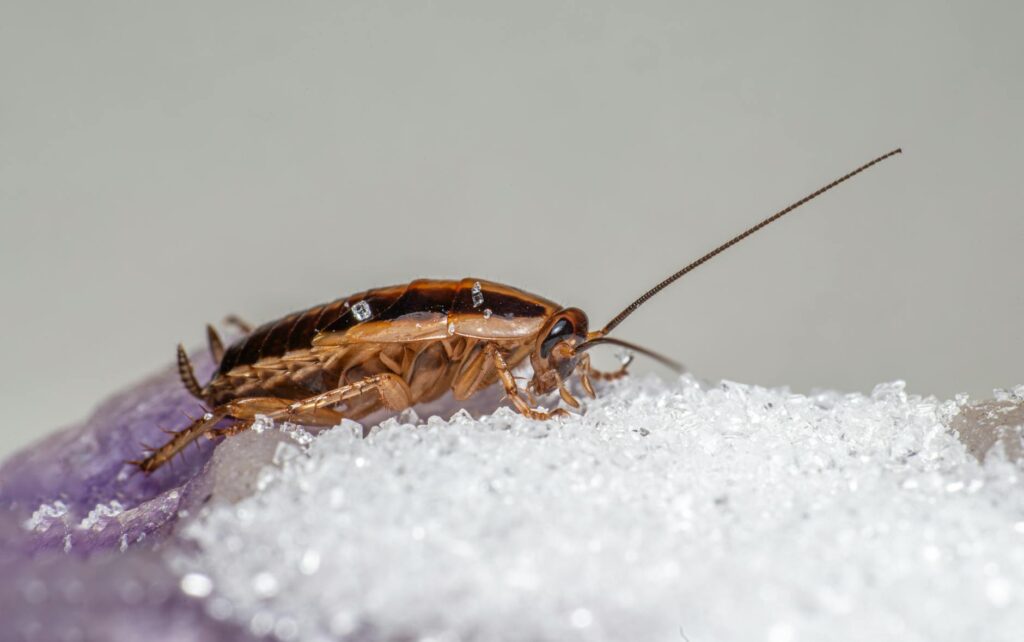
You step into the kitchen after a rainstorm and notice a cockroach moving along the baseboard near the sink. A little later, another one appears in the garage or laundry room. It can feel like the rain suddenly created a roach problem, but the insects were often nearby long before the weather changed. So, why do cockroaches come out after rain? Heavy rain can flood their hiding places, disturb outdoor nesting areas, and push them toward drier shelter inside homes.
In Los Angeles County, rainstorms can increase cockroach activity around foundations, garages, crawl spaces, and other protected areas. This guide explains why roaches become more noticeable after rain, where they typically come from, and what homeowners can do to reduce the chances of finding them indoors.
Key Takeaways
- Heavy rain can flood outdoor cockroach hiding spots and push roaches toward drier shelter around homes.
- Moisture, food sources, and small entry points can make it easier for displaced cockroaches to move indoors after a storm.
- Sealing gaps and reducing excess moisture around your property can help limit post-rain cockroach activity.
- If cockroach sightings increase after rain, a professional inspection can help identify contributing conditions around your home.
Why Cockroaches Come Out After Rain
Rain does not create cockroaches, but it can force them out of outdoor hiding places and closer to homes.
Outdoor Nesting Areas for Cockroaches
During the day, roaches hide in warm, dark, moist areas like cracks, water meter boxes, sewers, and crawl spaces. These spots normally give them all the shelter and moisture they need. When heavy rains saturate the ground and flood those harborage sites, cockroaches are forced to relocate. The American cockroach is rarely found in houses; however, infestations can occur after heavy rain.
Sewer systems can harbor enormous populations. Researchers have documented more than 5,000 American cockroaches in individual sewer manholes. When stormwater overwhelms those systems, roaches move upward and outward toward drier ground, including the perimeter of your home.
In Los Angeles County, storm drains, landscaped areas, irrigation systems, and crawl spaces can all provide shelter for cockroaches before rain pushes them toward nearby structures.
Food and Shelter That Attract Cockroaches
Cockroaches are attracted by light, warm air, moisture, and food. Odors from a dead bird, rodent, dead insects, or a nest in a wall can also draw them in. Once rain displaces roaches from outdoor harborage, these attractants guide them toward structures where food sources are available.
Cleaning up food sources around your home reduces these attractants. The fewer signals your property sends, the less likely displaced cockroaches are to settle in.
How Cockroaches Move Around Homes
After rainfall saturates the ground, cockroaches move toward shelter in dark cavities in walls or crawl spaces. They tend to travel at night, staying hidden during the day in warm, moist areas. This nocturnal pattern means you may not notice activity until the population is already established indoors.
Because roaches favor crawl spaces and wall voids, they can move through a home largely out of sight. Moisture buildup in these areas after storms can make them even more appealing as long-term harborage.
Trails and Entry Points Cockroaches Use
Cockroaches exploit cracks and gaps around a structure’s exterior to get inside. Combining several methods, such as caulking entry points, cleaning up food sources, and using baits when necessary, helps address the problem from multiple angles. Gaps around water meter boxes, foundation cracks, and openings near crawl spaces are common pathways roaches use after rain drives them from outdoor nesting areas.
In Los Angeles County neighborhoods, older foundations, utility penetrations, and garage door gaps often provide easy access after heavy rain. Sealing these entry points before wet weather arrives gives displaced cockroaches fewer ways into your home and reduces the chance of a post-rain surge indoors.
How to Spot Cockroach Activity Inside Your Home
After heavy rain, homeowners often notice cockroaches in garages, laundry rooms, bathrooms, kitchens, or near exterior doors. Increased sightings shortly after a storm can indicate that outdoor harborages have been disturbed by excess moisture.
Where Cockroach Activity Shows Up Around Homes
After rain saturates their outdoor habitat, cockroaches may move closer to structures. Cockroaches often shelter in shaded outdoor areas with leaf litter, mulch, dense vegetation, and other moisture-retaining materials. These protected spaces can become saturated during heavy rain, pushing roaches toward nearby structures.
Porches with exterior lighting can draw flying species toward your home at night, making covered entry areas a common place to first notice post-rain cockroach activity.
Exterior Entry Points Cockroaches Use
Cockroaches displaced by rain may find their way inside through gaps around doors and windows, especially where exterior lighting is bright. Open or poorly sealed doors near lit rooms can serve as easy access points. Checking these areas after a rainstorm can help you identify where cockroaches may be entering the home.
Risks From Cockroaches Appearing After Rain
When rain pushes cockroaches out of their usual hiding spots, the pests can move toward your home in higher numbers than you might expect. Post-rain cockroach activity can create several concerns for homeowners, especially when sightings become more frequent indoors.
Health Risks Linked to Cockroaches
Once indoors, they can contaminate surfaces and food-storage areas as they search for shelter, moisture, and food sources. Sealing cracks and entryways can help reduce entry points. However, it is important to maintain adequate ventilation throughout your home for health and safety reasons while doing so.
Property Damage From Cockroaches
Repeated activity can make it harder to keep these areas clean and may indicate that conditions around the property are supporting ongoing cockroach activity.
Professional Pest Control for Cockroaches
When cockroaches appear after a rainstorm, reducing attractants and identifying entry points are often the first steps toward control.
How to Reduce Attractants for Cockroaches
Cockroaches can travel from neighboring spaces to your home through holes and cracks in walls or doors. Sealing those entry points is one of the most practical steps you can take. According to University of Tennessee Extension, cracks around door frames, crawl space entries, windows, utility penetrations, siding, and wood fascia should be sealed with quality silicone or silicone-latex caulk.
Weather stripping around doors and windows can provide tighter seals. If you can see light under a door, door sweeps may be needed. Repair screens on doors and windows to close another common gap. Window unit air conditioners are a frequently overlooked entry point and should be removed when possible.
Screening behind crawl space, soffit, and attic vents adds another layer of control. Chimney caps or screens can also help block access when appropriate.
Why Cockroach Control Starts With Inspection
Cockroaches often enter through openings that are easy to miss. A careful inspection focuses on the gaps around walls, doors, window frames, and utility lines passing through exterior surfaces. These are the areas where cockroaches are most likely to find a way inside.
Round the Clock Pest Services identifies entry points, moisture conditions, and harborage areas that may be contributing to post-rain cockroach activity.
What to Expect During Professional Cockroach Treatment
Professional treatment targets the areas where cockroaches hide, travel, and enter the home. Room corners and edges, window and door frames, pet houses, and other suspected entry points are common focus areas for control applications.
Treatment is most effective when combined with exclusion measures that limit future entry. Sealing holes or crevices around walls or doors is an important complement to any treatment effort.
What to Expect From a Cockroach Control Plan
A thorough control plan combines exclusion, inspection, and targeted treatment. Sealing cracks, installing door sweeps, repairing screens, and screening vents all work together to reduce cockroach access after rainstorms.
Round the Clock Pest Services develops treatment plans based on the conditions around your property, including moisture sources, entry points, and areas of recurring activity.
Why Do Cockroaches Come Out After Rain: Bottom Line
Cockroaches can move indoors after heavy rain because their outdoor hiding spots become saturated and less hospitable. Once inside, they gravitate toward areas that offer warmth, darkness, and moisture. Reducing those attractants, sealing potential entry points, and keeping your home clean and dry are the core steps you can take to discourage post-rain cockroach activity. If you are seeing cockroaches after storms and want a professional assessment, contact Round the Clock Pest Services to request a quote.
Frequently Asked Questions
Why am I suddenly seeing cockroaches after it rains?
Heavy rain can flood the outdoor areas where cockroaches typically shelter. When those spaces become waterlogged, cockroaches may move toward drier ground, which can include your home. The sudden appearance often reflects displaced roaches rather than a new infestation starting overnight.
Will the cockroaches leave on their own once it dries out?
Some may move back outdoors once conditions improve, but cockroaches that find food, moisture, and shelter inside your home have little reason to leave. Addressing indoor moisture and sealing entry points can help prevent them from settling in the long term.
What attracts cockroaches into a home during wet weather?
Cockroaches can be drawn toward warmth, moisture, and food sources. Keeping surfaces clean, fixing leaks, and reducing clutter in dark areas may make your home less appealing to roaches looking for refuge after a storm.
How can I tell if rain brought in just a few roaches or a larger problem?
Seeing one or two cockroaches after a heavy rain may simply reflect temporary displacement. However, if you notice roaches regularly or spot them during the day, that can suggest a larger population is present. A professional inspection can help clarify the scope of the issue.