
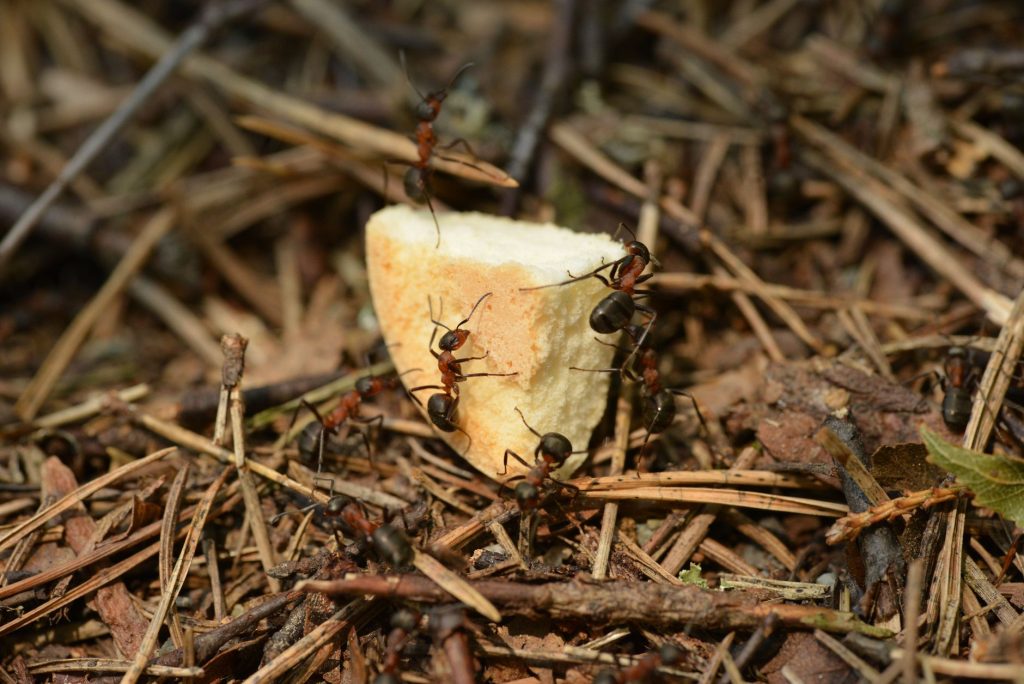
Ants can cause costly problems when early signs are missed. Learn what attracts ants, the signs, risks, and when to call Round the Clock Pest Services.
Key Takeaways About What Attracts Ants
- Ants enter your home searching for food and water, and once foragers find a source, more ants can follow trails back to the colony.
- Most ant species are a nuisance rather than a structural concern, but carpenter ants and fire ants may require a different approach due to the risks they pose.
- Preventing an ant invasion starts with reducing access to what attracts ants, including sealing entry points and keeping potential food and moisture sources managed.
- When an ant problem involves carpenter ants or a large colony, working with a professional pest control service can help address nests that are difficult to locate on your own.
How to Identify What Attracts Ants
Understanding what attracts ants starts with recognizing that different ant species behave in distinct ways. According to Kansas State University Extension, carpenter ants live in a different habitat and require different treatment than other ant species that may find their way into homes. Knowing which type you are dealing with helps you pinpoint the attractants drawing them to your property.
How to Tell Different Ant Types Apart
Not every ant builds the same kind of nest or targets the same resources. Argentine ants often build shallow nests just below the soil surface, which sets them apart from most other ant species. Carpenter ants nest in wood rather than soil. Because each species seeks out different nesting conditions, the attractants around your home vary depending on which species is present.
How to Spot Ant Activity Inside Your Home
Ant activity indoors usually traces back to a nest somewhere nearby. When you see a steady stream of ants moving along a consistent path, they are likely traveling between a nest and a resource they have found inside. A pest management professional can help locate carpenter ant nests that homeowners may overlook.
Where Ant Activity Shows Up Around Homes
Outdoors, nests can appear in a variety of spots depending on the ant species. Argentine ants favor shallow soil nests. Carpenter ants gravitate toward wood. Keeping firewood and lumber away from your buildings can reduce what attracts them to the area around your home.
Exterior Entry Points Ants Use
Ants move from outdoor nests toward your home when they detect something worth pursuing. Addressing the problem at its source means tracing activity back to the mound or nest site where the ants originated. For carpenter ants, check stacked wood and lumber near exterior walls. Relocating those materials creates distance between the nest and your home’s entry points.
Why Ant Problems Develop
What attracts ants comes down to three basic needs: food, water, and shelter. According to Texas A&M AgriLife Extension, ants enter a home in search of food, water, or a good nesting site. When your home provides any of these resources, foraging workers may arrive and recruit others, turning a handful of scouts into a steady stream.
Outdoor Nesting Areas for Ants
Most ant species nest outdoors and become a nuisance when foraging workers enter homes. An outdoor colony close to your foundation gives ants a short path to indoor food and water sources.
Food and Shelter That Attract Ants
Food is the primary driver. When foraging ants find food inside, they may bring in others, creating the characteristic trail that frustrates homeowners. Pet food is a common cause of indoor fire ant invasions, so limiting the amount of time you leave pet food out can help reduce ant activity.
Carpenter ants have complex food preferences. They may be drawn to sugary liquids or protein sources, yet they can be finicky about what they accept. A reliable food source near or inside your home gives any ant species a reason to keep returning.
How Ants Move Around Homes
In many species, foragers create a pheromone trail that helps other ants find a source of food or water. Once a scout locates something worthwhile, this trail acts as a product road map. The ants carry food back to the colony and share it with other ants, including the queen and brood, which helps maintain or increase colony size.
Trails and Entry Points Ants Use
Ants follow their pheromone trails to and from food and water, often passing through the same entry points day after day. Identifying these entry points and known foraging trails is an important step in addressing ant activity. Removing the attractants that started the problem can help discourage ants from continuing to use those routes.
Risks From What Attracts Ants
Depending on the species involved, the same food sources and shelter conditions that draw ants into your home can lead to health concerns, structural issues, or persistent nuisance problems.
Health Risks Linked to Ant Infestations
Most ant species do not carry diseases. However, according to the University of Minnesota Extension, at least one species, the Pharaoh ant, has been known to transmit some diseases, like Salmonella. When Pharaoh ants are drawn to the same food you eat, contamination becomes a real possibility.
Red imported fire ants present a different kind of health risk. As the University of Georgia pest guide notes, these ants are not native to the United States, build mounds in sunny, disturbed areas such as yards and playgrounds, and inflict a painful sting when disturbed.
Property Damage From Ant Infestations
Carpenter ants can weaken wood in structures over time. According to the University of Georgia pest guide, black carpenter ants are the largest of Georgia’s pest ants, with workers ranging from 1/4 to 5/8 inches. Because they are nocturnal, the damage they cause may go unnoticed until it becomes serious.
Fire ant mounds can also disrupt your yard and landscaping, appearing in sunny, often disturbed habitats around your property.
Food Areas and Ant Activity
Some species can infest food stored in your home. When ants find something to eat in pantries or on countertops, the trail they form can multiply. Even species that pose no health or structural threat can become a persistent nuisance once they locate a reliable food source.
When to Look Closer at What Attracts Ant Activity
If you notice large, dull black ants active at night, you may be dealing with carpenter ants. Their presence indoors can signal that wood in your home is at risk. Fire ant mounds in your yard deserve attention because of the sting these ants can deliver.
Identifying what attracts ants to your space helps you understand whether the risk stops at annoyance or whether you are dealing with a species that can affect your health or your home’s structure.
Professional Pest Control for Ants
Once you understand what attracts ants, the next step is removing those attractants and addressing any infestation that has already taken hold. For small or early problems, retail products can help. However, when carpenter ants are inside your home’s structure, professional pest control is often the better path forward.
How to Reduce Common Ant Attractants
Nonchemical measures can help prevent ant infestations. According to Purdue Extension, houses built on concrete slabs often have serious ant problems because the insects nest under the slabs and enter through cracks, heating ducts, and utility openings. Sealing those gaps helps reduce access to the food and moisture sources that draw ants indoors.
Prevention works best as a routine effort. By staying ahead of the conditions that attract ants, you can lower the chance of a recurring infestation in your home.
Why Ant Control Starts With Inspection
Understanding what attracts ants to your specific property requires a detailed inspection of your home’s foundation, walls, and utility openings. Identifying access points, especially around slab foundations, is a critical first step before any treatment begins.
A pest management professional has the expertise and tools to locate nests and assess the scope of an infestation. Without a proper inspection, the root cause of the ant activity can go unaddressed.
What to Expect During Professional Ant Treatment
A professional pest control company can advise on the best approach for your situation. As Oregon State University Solve Pest Problems notes, they have the expertise and tools to get the job done right and minimize risks to your home and family. This is especially important for carpenter ant infestations, where nest locations may be hidden within structural wood.
The longer you wait to act on a carpenter ant infestation, the more expensive repairs and control may become. Bringing in a professional service helps address the problem before additional damage accumulates.
What to Expect From an Ant Control Plan
A professional ant control plan typically combines inspection, treatment, and prevention. Round the Clock Pest Services, a woman-owned and operated company, emphasizes quality, communication, and 100% satisfaction throughout the process. You can expect your service professional to contact you before arrival.
A tailored plan accounts for the attractants specific to your property, the entry points ants are using, and the type of infestation present, giving you a clear path toward addressing the problem at its source.
Bottom Line on What Attracts Ants
Ants enter your home looking for food, water, and shelter. Sweet foods, moisture sources, and accessible entry points like cracks and utility openings can all draw them inside. While most ants are simply a nuisance, carpenter ants can pose structural concerns and fire ants can deliver a painful sting. Keeping your home clean, sealing gaps, and addressing moisture issues go a long way toward making your property less appealing. If you’re dealing with a persistent ant problem, contact Round the Clock Pest Services to request a quote and get professional guidance.
Frequently Asked Questions
Why Do Ants Keep Coming Back After I Clean?
Cleaning removes surface attractants, but ants may still enter through cracks, heating ducts, or utility openings. Sealing entry points and addressing the nest location are often necessary to reduce recurring activity.
Are All Ants Harmful to My Home?
Carpenter ants are a notable exception because they can damage wood. Fire ants can inflict a painful sting. Identifying the species helps determine the right response.
What Foods Attract Ants the Most?
Many ant species are drawn to sweet foods. Carpenter ants, for example, are attracted to honey and other sweet items. Reducing access to these food sources by storing them in sealed containers can help make your home less inviting to foraging ants.
When Should I Call a Professional?
Professional help may be needed when ants nest under concrete slabs or when carpenter ants are present in your home. Pest professionals can locate hidden nests and address the problem while minimizing risks to your home and family.