
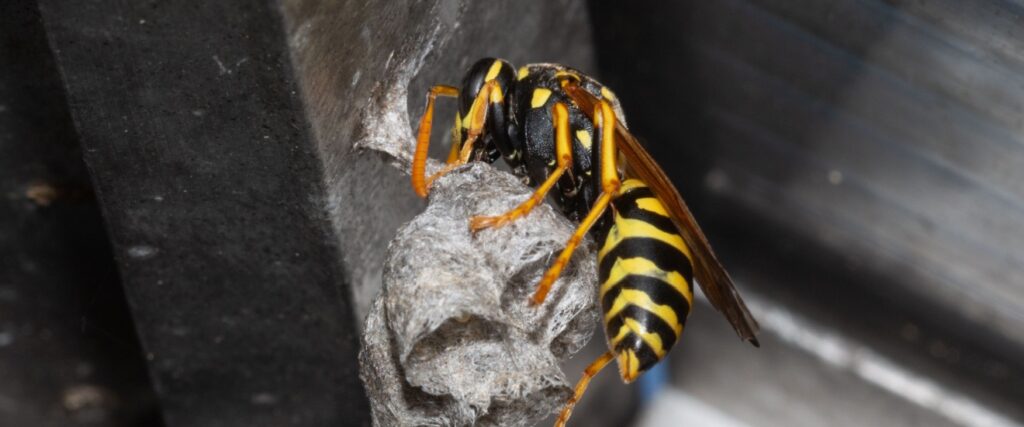
As the days stretch longer and the sun burns brighter, one buzzing intruder starts to reappear in Southern California yards, porches, and playgrounds. You guessed itwasps. Their arrival isn’t just a seasonal nuisance; for many, it’s a serious safety concern. If you’ve noticed unwelcome winged visitors zipping through your backyard or hovering near doorways, it may be time to take action.
A stinging presence can often be the early warning sign of a larger issue.
Understanding wasp season in Southern Californiawhen it starts, which species to watch for, and how to respondcan help protect your home and your family from aggressive behavior and painful stings.
When Do Wasps Come Out in Southern California?
Wasp activity through the year
This spine tracks wasp activity month by month. Queens emerge in summer, workers peak in midsummer, and colonies turn most aggressive in early fall. Read it left to right, January to December.
Southern California’s warm, Mediterranean climate creates the perfect environment for wasps to thriveespecially during the late summer and summer months. Most wasp activity begins to escalate around may through early may, peaking through July and August, and typically tapering off by late fall.
Here’s how their seasonal cycle typically unfolds:
- Summer (may–may): Queen wasps emerge from winter dormancy and begin building nests. These early stages are crucial for prevention.
- Summer (may–August): Worker wasps become highly active, foraging for food and defending their neststhis is peak stinging season.
- Fall (September–October): Colonies reach their maximum size and food becomes scarce, making wasps even more aggressive.
Unlike honeybees, wasps don’t die after stingingso they pose a much higher risk to pets and people if disturbed. That’s why timing your response is essential.
Types of Wasps in Southern California to Watch Out For
While not all wasps are equally aggressive, it helps to know who’s who in the sting department. Some common species include:
- Paper Wasps: Recognizable by their thin waists and umbrella-shaped nests. They tend to be less aggressive but will defend their homes if threatened.
- Yellowjackets: These black-and-yellow striped wasps are infamous for their hostile behavior and tendency to invade human spaces in search of sugary foods.
- Mud Daubers: Solitary wasps that build tube-shaped mud nests. They’re less aggressive but can indicate good nesting conditions for more dangerous species.
- Hornets: A subspecies of yellowjackets, hornets are large, territorial, and deliver especially painful stings.
Correctly identifying the type of wasp is the first step in determining how to get rid of wasps in Southern California efficiently and safely.
How to Get Rid of Wasps in Southern California: Summer Wasp Safety Tips
Wasp infestations can escalate quickly if nests go unchecked. Here’s what you can do to reduce the risk and reclaim your space:
Prevention Strategies
- Keep trash bins sealed and away from doors or windows
- Avoid leaving food or sugary drinks outside
- Patch holes or cracks where nests could form (eaves, attics, crawl spaces)
- Plant wasp-repellent herbs like mint, citronella, and eucalyptus
- Eliminate standing water sources in your yard
Safety Tips for Summer Encounters
- Never swat at a waspit can release pheromones that attract more
- Wear light-colored clothing and avoid floral prints or strong scents when outside
- Stay calm and slowly move away from hovering wasps
- If someone is stung and has allergies or symptoms of anaphylaxis, seek emergency help immediately
Safeguarding Your Home: The Role of a Professional Wasp Exterminator
DIY wasp control can be dangerousespecially when nests are hard to reach or housed near living spaces. A Southern California wasp infestation isn’t something to take lightly. Certified experts are trained to identify nests, handle stinging insects safely, and apply long-lasting treatments that prevent wasps from returning.
That’s where Round the Clock Pest Services comes in.
We bring a professional, eco-conscious approach to stinging insect removal in Southern California, using strategies that minimize risk while delivering maximum results. Whether it’s hidden under roof tiles or wedged in your fence post, we’ll safely remove the source of the problem and keep it from coming back.
And if you’re not sure what you’re dealing with? Our technicians will inspect and assess your property with zero pressure and full transparency.
Ready to Wasp-Proof Your Home?
Dealing with wasps can turn a relaxing summer into a season of worry. Their presence isn’t just irritatingit can be dangerous for children, pets, or anyone allergic to their sting. That’s why it pays to stay ahead of the problem before nests become entrenched and behavior becomes more aggressive.
At Round the Clock Pest Services, we believe in early action, expert care, and long-term peace of mind. Our licensed technicians don’t just remove waspswe evaluate your entire property to identify vulnerabilities and develop a strategic plan tailored to your space. Whether it’s a one-time removal or a year-round prevention program, we’ve got the tools, training, and local insight to do the job right.
Our methods are eco-conscious, family-safe, and proven to deliver real results throughout Southern California’s key metro areas, including Greater Los Angeles, San Diego, and the Bay Area. With deep roots in the communities we serve, we offer a personalized service experience that national chains simply can’t match.
Don’t let wasps take over your summer. Whether you’ve spotted a nest or just want to make sure your space is protected, we’re here to helpwith fast response times, detailed inspections, and a satisfaction guarantee that keeps your needs front and center.
Your family’s safety starts with a simple step. Contact Round the Clock Pest Services and get expert wasp control that truly delivers.