
Termites can cause costly problems when early signs are missed. Learn the signs of a terrmite infestation, risks, and when to call Round the Clock Pest Service.
Key Takeaways About Signs of a Termite Infestation
- Termites can damage wood throughout your home, and catching the signs early helps you understand the scope of the problem before it progresses.
- Visible indicators may include earthen tubes along walls or foundations, wood that sounds hollow or feels soft when probed, and winged swarmers appearing near a structure.
- Subterranean and drywood termites leave different evidence, so knowing what to look for with each type can help you identify activity in your home.
- A trained pest control professional can inspect your home for signs of termites and damage that may not be obvious to homeowners.
How to Identify Signs of a Termite Infestation
Knowing what termite activity looks like is the first step toward protecting your home. Different species leave different clues, and understanding those differences helps you act quickly when something looks wrong. Below is a breakdown of how to read the evidence termites leave behind.
How to Tell Termite Types Apart
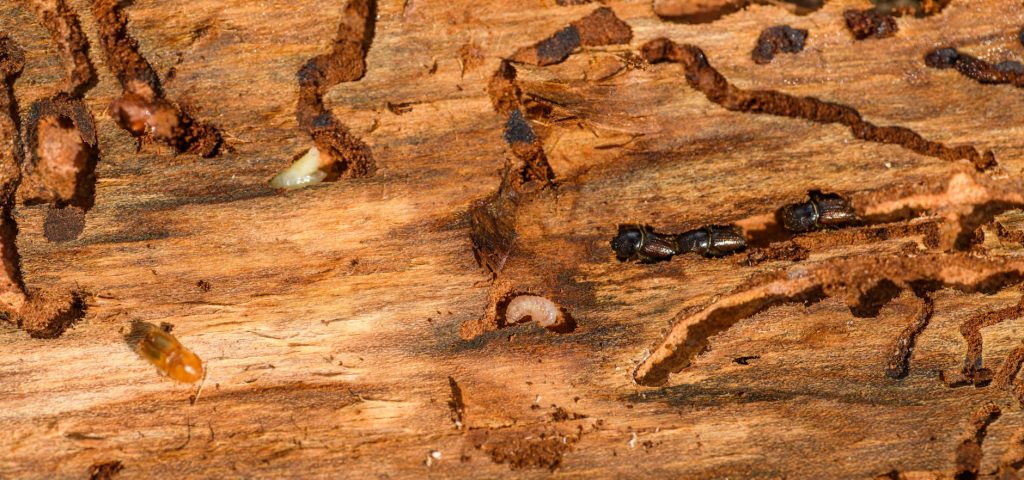
Subterranean termites and drywood termites produce distinct damage patterns. Subterranean termite feeding generally follows the grain of wood. These species attack the softer springwood and leave the harder summerwood behind, according to UC IPM. That layered, almost honeycomb-like pattern in damaged wood can often distinguish subterranean activity from other species.
Drywood termites leave different traces. Some species deposit light-brown excrement within the cavities they hollow out. According to the University of Georgia termite guide, drywood termites in Georgia are most commonly found in furniture and picture frames in the central and northern parts of the state, but they can be structural pests in south and southeast Georgia.
How to Spot Termite Activity Inside Your Home
Inside your home, wood damage is often the clearest indicator. Look for wood that appears damaged along the grain with the softer layers consumed and the harder layers still intact.
With drywood termites, you may notice small piles of light-brown excrement near wooden furniture, frames, or other wood items. These pellets collect inside or just below cavities the termites have carved out.
Where Termite Activity Shows Up Around Homes
Mud tubes are one of the most recognizable signs of subterranean termite activity around a home. These tunnels run along surfaces and connect the colony in the soil to its wood food source. If you break a termite tube open, you may see live workers and soldiers running through it.
Check foundation walls, crawl spaces, and areas where wood meets soil. Subterranean termites build these tubes to travel between the ground and the wood they feed on, so tubes in these zones deserve close attention.
Exterior Entry Points Termites Use
Outside your home, look for mud tubes along the exterior foundation. These tubes can extend from the soil upward toward wooden structural components. Breaking a tube open and finding workers or soldiers inside confirms active use.
Drywood termites can enter through exposed wood that does not contact the ground. Because their damage pattern and excrement differ from subterranean species, identifying which type is present helps guide the right response for your home.
Why Termite Infestation Problems Develop
Termite infestations do not appear overnight. They develop because the conditions around and beneath your home supply exactly what a colony needs: moisture, a reliable food source, and protected pathways into structural wood. Understanding why these problems take hold helps you spot the warning signs earlier.
Outdoor Nesting Areas for Termites
Subterranean termites are soft-bodied and require moisture to survive. According to Kansas State University Extension, colonies typically follow a moisture gradient and may be located 1 to 30 feet below the soil surface as they seek a food source. This means the colony itself often sits well beneath your yard, hidden from view while workers travel outward in search of wood.
Food and Shelter That Attract Termites
Wood is the primary food source that draws termites toward a structure. Any wood in contact with soil, or areas where moisture collects near your foundation, can create the conditions subterranean termites need. Damp soil and accessible wood work together to guide foraging workers closer to your home.
How Termites Move Around Homes
One of the clearest indicators that termites have reached your home is a swarm of winged reproductives. Native subterranean termite species typically begin swarming in January and are mostly finished by early July, according to the University of Georgia termite guide. Swarms can also appear in spring, summer, or fall depending on the species. Spotting winged termites near your home is a strong warning sign.
Trails and Entry Points Termites Use
Shelter tubes, sometimes called mud tubes, are the most commonly seen evidence of a subterranean termite infestation. These pencil-width tunnels run along foundation walls, piers, and other surfaces, connecting the underground colony to wood above ground. Checking exposed foundation areas and crawl spaces for these tubes is one of the most practical steps you can take.
Risks From Signs Of A Termite Infestation
Recognizing signs of a termite infestation is the first step, but understanding the risks behind those signs matters just as much. Termite damage can advance without visible warning, and the visible clues you notice may point to activity that has already compromised wood within your home’s structure.
Structural Risks From Termites
Subterranean termites nest in the soil and build foraging paths into structures to reach wood. As they consume it, they can excavate galleries that leave only a thin wooden exterior behind. A beam or board may look intact while the interior has been hollowed out. This concealed damage poses a real structural concern because it may go unnoticed for an extended period.
Mud tubes on foundation walls are another warning. According to UC IPM, these earth-hardened tubes are made by workers using saliva mixed with soil and bits of wood or even drywall. Their presence often signals active foraging paths between the soil and wood inside your home.
Hidden Termite Damage in Homes
Drywood termites can be especially difficult to detect because they live entirely within the wood they feed on. According to UC IPM, careful inspection is needed so colonies are detected and damage contained, especially for drywood termites. Without a thorough look, an infestation may remain hidden behind walls or inside framing members for a long time.
One outward clue of drywood activity is frass, which consists of uniform-sized fecal pellets about the size of a grain of sand. These pellets typically collect on flat surfaces directly beneath infested wood. Spotting frass can help you identify termite damage that is otherwise out of sight.
Belongings and Moisture Risks From Termites
Because subterranean termites require soil contact and build mud tubes to reach wood, their activity can introduce moisture into areas of your home where it would not normally accumulate. The combination of ongoing termite damage and moisture together may worsen the condition of wooden components over time.
When a Termite Problem Needs Action
Swarmer termites are often the first sign that a termite infestation exists. According to Purdue Extension, the main challenge is distinguishing swarmers from winged ants, which are relatively no real threat. If you see winged insects indoors, identifying them correctly helps determine whether your home needs further attention.
Any combination of mud tubes, frass, or hollow-sounding wood warrants a closer look. The sooner termite damage is identified through careful inspection, the better your chances of containing the problem before it advances further within your home’s structure.
Professional Pest Control for a Termite Infestation
When you spot signs of a termite infestation in your home, knowing which steps you can handle and which require professional help makes all the difference. Some prevention tasks are straightforward, but treatment for active colonies typically calls for a licensed pest control professional.
How to Reduce Attractants for Termites
You can take meaningful steps on your own to make your home less inviting to termites. Homeowners can correct conditions conducive to subterranean termite activity and replace damaged wood themselves. Addressing these conditions early may help reduce the likelihood of a growing problem.
Moisture control is especially important. According to Oregon State University Solve Pest Problems, treatments for dampwood and subterranean termites will not work unless sources of moisture are removed and damaged wood is repaired. Fixing leaks, improving drainage, and replacing water-damaged wood are practical first steps you can take without professional assistance.
Why Termite Control Starts With Inspection
Careful inspection is needed to detect and contain termite colonies, especially for drywood termites, so that localized treatments can be put to their best use. Without a thorough inspection, activity can go unnoticed in areas that are difficult to access.
The signs of subterranean termites often appear in dark and sometimes hazardous locations, such as attics or tight crawlspaces that may have nails, dust, or standing water. As UC IPM notes, contacting a licensed professional for inspection and subsequent treatment is recommended.
Pest control professionals bring specialized training to evaluate areas that most homeowners cannot safely or thoroughly check on their own.
What to Expect During Professional Termite Treatment
State and federal agencies regulate termite treatments, and only a licensed pest control professional can carry out the inspection and control program to carry out the inspection and control program. This is not a do-it-yourself task. Round the Clock Pest Services, a woman-owned and operated company, prioritizes quality and communication throughout every step, including contacting you before arrival.
For drywood termite infestations, except for wood removal, homeowners should seek help from pest control professionals. The scope of drywood termite work typically goes beyond what homeowners can manage independently.
What to Expect From a Termite Control Plan
A professional control plan typically begins with a detailed inspection to locate damage and active colonies. This careful assessment guides the approach, ensuring treatments are directed where they are actually needed.
Homeowners can support the process by correcting conducive conditions, such as removing moisture sources and repairing damaged wood. These efforts complement professional treatment and help create an environment that is less hospitable to termites going forward. Round the Clock Pest Services emphasizes 100% satisfaction and clear communication so you understand each phase of your control plan.
Signs of a Termite Infestation: Bottom Line
Recognizing termite warning signs early gives you the best chance to address damage before it worsens. Spotting swarmers, noticing fecal pellets near wood, or finding soft and channeled timber all point toward an active problem. Because treatment applications require a licensed professional, most homeowners benefit from bringing in trained help rather than tackling an infestation alone. If you suspect termite activity in your home, contact Round the Clock Pest Services to request an inspection.
Frequently Asked Questions
How Can I Tell Termite Swarmers Apart From Winged Ants?
Distinguishing swarmer termites from winged ants is one of the main identification challenges homeowners face. Swarmers are often the first visible sign that a termite colony is present. Looking closely at body shape and wing length can help you tell the two apart, but a pest control professional can confirm the identification quickly.
Should I Try to Handle Termite Damage on My Own?
Homeowners can replace damaged wood and correct conditions that attract subterranean termites. However, applying registered treatment products requires a licensed professional. For drywood termite infestations, homeowners should seek help from a pest control company beyond simply removing affected wood.
What Do Subterranean Termites Need to Reach My Home?
Subterranean termites nest in the soil and travel through foraging paths to reach wood in structures. They can consume wood from the inside, sometimes leaving only a thin exterior shell intact. Reducing wood-to-soil contact around your foundation can help limit easy access.
Why Is a Professional Inspection Worth It?
Trained pest control professionals can identify insect signs and damage that may not be obvious to the untrained eye. An inspection can uncover activity behind walls, beneath flooring, or in areas you might not think to check, giving you a clearer picture of what your home needs.