
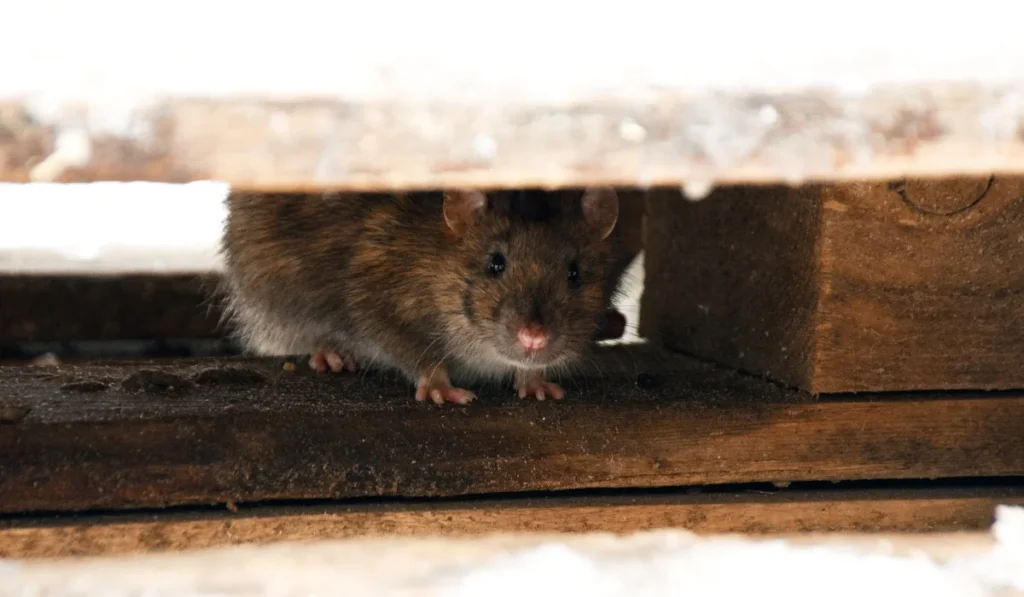
Rodents don’t need a big hole to get inside your home. In San Francisco, mice and rats often squeeze through small gaps around doors, vents, and utility lines. Once inside, they nest in walls, attics, or the crawl space. A small problem can quickly turn into a rodent infestation.
One of the best ways to reduce rodent infestations is to find and seal rodent entry points early. Many homeowners focus only on traps, but if entry points stay open, rodents will keep coming back. In many cases, effective rodent control also involves sealing the gaps that allow rodents inside.
Use this guide to spot common rodent entry points, inspect your home step by step, and seal gaps properly.
Key Takeaways
- Rodents can enter through small gaps around utility lines, crawl space vents, garage doors, and roof edges.
- Regular inspections help homeowners find rodent entry points before infestations grow.
- Steel wool, metal mesh, caulk, and door sweep upgrades are effective tools for rodent-proofing.
- Homeowners may need professional pest control for active rodent infestations or hidden entry points.
Common Rodent Entry Points in San Francisco Homes
Rodents look for warmth, food, and shelter. These rodent entry points are common around Bay Area homes.
Gaps Around Utility Lines
Utility lines for water, gas, and electrical wires often pass through exterior walls. These areas often leave small gaps that rodents can use to enter.
Even a small gap around a pipe can become a rodent entry point. Check both inside and outside walls for gaps where sealant has cracked or pulled away.
Crawl Space and Crawl Space Vents
Older San Francisco homes often have a crawl space. Broken crawl space vents or loose screens are common rodent entry points.
Look for larger openings in vent covers or droppings near the foundation. These are often signs you have a rodent problem, since the crawl space is one of the first places rodents enter.
Garage Door and Door Frames
The garage door is a common entry point for rodents. If you see daylight under the garage door, the gap may be large enough for rodents to enter.
Worn weather stripping or a missing door sweep creates gaps. Replacing these barriers helps with rodent-proofing and keeps airflow controlled.
Roofline, Eaves, and Soffits
Rodents can climb walls and enter through eaves and soffits. Damaged roof edges, loose boards, and open corners are common entry points for rodents.
Check for chew marks or small gaps where the roof meets the siding.
Dryer Vents and Exterior Openings
Dryer vents, especially near the laundry room, can become rodent entry points when screens are missing. Vents should have secure covers that allow airflow but block rodents.
How to Inspect Your Home Step by Step
A careful inspection helps homeowners find rodent entry points before infestations grow.
Step 1: Walk the Exterior
Start outside during daylight. Walk around your home and look for small gaps, cracks, or larger holes. Pay attention to areas around utility lines and foundation corners.
Mark each potential entry point with tape so you can return to it later.
Step 2: Check the Garage and Doors
Inspect the garage door and side doors. Look at the bottom seal and side weather stripping. Replace worn door sweep materials if needed.
Close the door and check for visible light coming through.
Step 3: Inspect the Crawl Space
If your home has a crawl space, check the crawl space vents for damage. Look for droppings or disturbed soil near openings.
Be careful when entering this area. If you see heavy signs of rodent infestation, contact a professional pest control company.
Step 4: Look Inside for Clues
Inside the home, check baseboards, corners, and the laundry room for droppings. Check behind appliances and near electrical wires.
Rodents often leave dark marks along walls where they travel.
Materials that Block Rodents
Not all materials work for sealing rodent entry points. Some DIY fixes fail over time.
Steel Wool
Steel wool is useful for sealing small gaps around pipes. Rodents struggle to chew through it. For better results, combine steel wool with caulk or sealant.
Metal Mesh
Metal mesh works well over crawl space vents and larger openings. It allows airflow while blocking rodents.
Secure the mesh tightly to prevent gaps.
Expanding Foam and Spray Foam
Expanding foam or spray foam can fill small gaps, but rodents may chew through it. Use it with metal mesh or steel wool for stronger protection.
Caulk and Sealant
Caulk is best for thin cracks along baseboards or siding. Use a durable exterior sealant. Sealing gaps properly can help reduce the risk of future rodent infestations.
Door Sweep and Weather Stripping
A door sweep on the garage door and new weather stripping help block ground-level entry points.
When Sealing Isn’t Enough
Sometimes, sealing rodent entry points alone will not stop an active infestation.
Active Rodent Infestations
If you see droppings, scratching sounds, or nesting materials, sealing gaps alone may not fix the infestation and could trap rodents inside. You may need rodent control before sealing entry points.
Larger Holes and Structural Damage
Larger holes in siding or roofing may need metal sheeting or professional repairs. Temporary DIY patches may fail.
Repeated Infestations
If rodents keep returning, you may be missing hidden rodent entry points. Professional pest control services can perform detailed inspections and long-term rodent-proofing.
We provide rodent control and professional pest control services for San Francisco homeowners dealing with rodent infestations.
Book a Rodent Exclusion Inspection in San Francisco
Finding and sealing rodent entry points takes time and careful inspection. Missing one potential entry point can let rodents back inside.
At Round the Clock Pest Services, we provide rodent control services that identify and seal rodent entry points around the home. During service, our technicians inspect the property and recommend ways to reduce rodent access points.
If you suspect rodent entry points around your home, contact us today.