
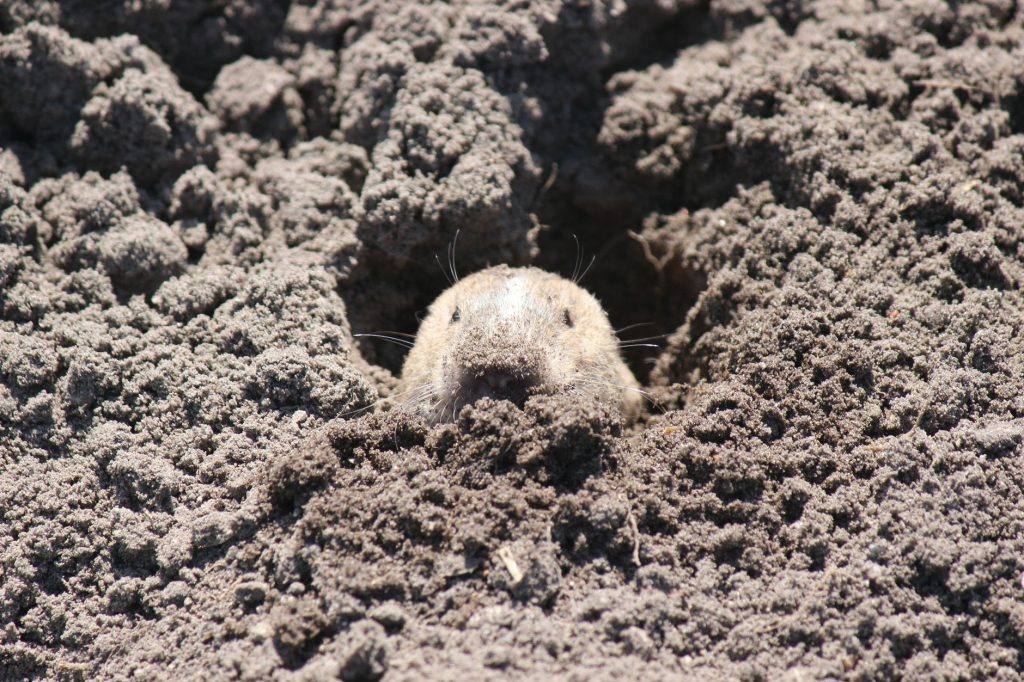
Gophers can cause costly problems when early signs are missed. Learn the signs, risks, how to get rid of gophers, and when to call Round the Clock Pest Services.
Key Takeaways About Getting Rid of Gophers
- Gophers are burrowing animals that create tunnels underground, and identifying their activity is the first step before choosing any control approach.
- DIY methods have limits, and some common approaches may not deliver the results homeowners expect, so understanding what works and what does not can save time and frustration.
- Keeping your yard and garden well-maintained may help make the area less appealing to gophers over time.
- A professional inspection can help you understand the scope of gopher activity on your property and guide the right next steps for your situation.
How to Identify Gophers
Before you can address a gopher problem, you need to confirm you are actually dealing with gophers and not another burrowing pest. Several soil-dwelling creatures leave behind tunnels and displaced earth, so understanding the differences helps you focus your efforts in the right direction.
How to Tell Gopher Types Apart
Gophers are not the only animals that dig through yard soil. Some burrowing insects create tunnels that can be mistaken for small rodent activity. For example, certain beetle larvae burrow into the ground after hatching, seeking out roots and feeding for two to six weeks before pupating and emerging above ground. According to UC IPM, other larvae may live in the soil and feed on roots for about six to ten months. These insect tunnels are far smaller than gopher runs, so tunnel diameter is a key clue when telling pests apart.
Larger burrow openings point toward different wildlife. Cicada killers, for instance, dig tunnels in well-drained, light-textured soil, typically in areas with full sunlight, with openings around one and a half inches in diameter that lead into tunnels running twelve to eighteen inches long and reaching a depth of six to ten inches. Gopher burrows tend to be wider and more extensive than insect tunnels, so measuring the opening can help you narrow down the source.
How to Spot Gopher Activity Inside Your Home
Gophers are outdoor pests, so you will not find them inside your home. However, root-feeding activity beneath your yard can show indirect signs near the house. Plants closest to your foundation may wilt or decline when larvae or burrowing pests chew and feed on roots. According to UC IPM, this root feeding is generally not important on well-established older plants, but younger landscaping near walls or porches may show stress sooner.
Where Gopher Activity Shows Up Around Homes
Look for displaced soil and tunnel evidence in open, sunny parts of your yard. Larvae that feed on roots of various plants appear to prefer overgrown weedy areas to well-maintained, short grassy areas. Keeping turf trimmed and free of weeds can make your lawn less attractive to root-feeding pests overall.
Burrows tend to appear in well-drained, light-textured soil rather than in compacted clay. Garden beds, flower borders, and areas that receive full sunlight are common spots to check first.
Exterior Entry Points Gophers Use
Gophers and other burrowing pests enter yards at ground level wherever soil conditions allow easy digging. Soft, sandy, or loamy patches along fence lines, garden edges, and lawn perimeters are typical starting points. Burrows in these areas may run at an oblique angle and reach depths of six to ten inches, making them hard to spot until displaced soil appears at the surface.
Checking along property borders and around planting beds regularly can help you catch new activity early. If you notice tunnels or soil displacement, note the size of the opening to help determine which pest is responsible.
Why Gopher Problems Develop
Gopher activity around your yard usually traces back to a combination of available food, suitable nesting ground, and easy travel paths. Understanding what draws these burrowing pests closer to your home can help you spot trouble before tunnels spread across your landscape.
Outdoor Nesting Areas for Gophers
Gophers favor ground that is easy to tunnel through, and they may take advantage of existing underground voids. Some ground-nesting insects, such as bumble bees, typically nest in old rodent burrows, which shows how quickly abandoned tunnels can be reoccupied by other wildlife. Loose, well-watered soil in garden beds and lawns offers the soft conditions gophers prefer for building extensive burrow networks.
Food and Shelter That Attract Gophers
Root systems and tubers are a primary food draw. Larvae of certain pests feed on roots and stems of plants like eggplants and potato tubers, and according to UC IPM, they can create straight, narrow tunnels in tubers that provide an entry for fungi. Gophers seek out these same underground food sources, pulling them toward vegetable gardens and landscaped beds where roots are plentiful.
Checking food sources in and around your property is a practical first step. Inspecting food deliveries before storing them helps limit pantry pests indoors, and a similar inspection mindset applies outdoors when you notice fresh mounding near planted areas.
How Gophers Move Around Homes
Gophers expand their territory by extending tunnel systems outward from a central burrow. Seasonal shifts in food availability can push them closer to foundations and irrigated lawns. A colony of ground-nesting pests may thrive from spring to fall before cold weather reduces activity, and gophers can follow a comparable seasonal pattern of expansion during warmer months.
Trails and Entry Points Gophers Use
Fresh mounds of fan-shaped soil are the most visible sign of active gopher trails. These mounds mark where tunnels surface, and monitoring them over time tells you whether a population is growing. When you spot a new cluster of mounds, treat it the same way you would a new catch in a monitoring trap: it signals that conditions still favor the pest and that another inspection of the area is warranted.
Risks From Gopher Infestations
Understanding the risks tied to gopher activity helps you choose the right approach. Some concerns are overstated, while others deserve a closer look before you decide on a course of action.
Health Risks Linked to Gophers
Gopher tunneling loosens soil and creates uneven ground across your yard. Remove or soften to a general caution such as ‘Collapsed tunnels can create uneven footing across your yard. When trying to manage gophers on your own, keep in mind that some DIY trapping methods can pose a handling risk if not set up correctly.
Property Damage From Gophers
Gopher burrowing can disturb root systems across lawns and garden beds. According to UC IPM, larvae chew and feed on roots, but generally, this does not threaten plant health. This means not every sign of underground activity points to serious root loss. Assessing what is actually being damaged matters before choosing a removal strategy.
Food Areas and Gopher Activity
In garden areas, burrowing activity can disrupt seedlings and developing plants. Yards with compost piles or heavy mulch may attract larvae that feed on decaying vegetation, though these organisms generally stay within biological debris rather than spreading to crops.
Keep in mind that some trapping approaches can backfire near food-growing areas. A 2013 study showed that pheromone traps placed close to garden rows actually drew more damage to nearby plants rather than reducing it, as noted by UC IPM.
When to Look Closer at Gopher Activity
Fresh mounds of soil appearing across your lawn or garden warrant a closer inspection. While root-feeding larvae may not always threaten overall plant health, persistent tunneling can undermine walkways, irrigation lines, and garden beds over time.
If you notice new mounds forming regularly or plants wilting without an obvious cause, it is worth investigating whether active gophers or other burrowing organisms are responsible. Proper identification helps you avoid spending time on methods that do not match the actual source of the problem.
Professional Pest Control for Gophers
Gopher activity in your yard can be frustrating, and many homeowners wonder where to start. A structured approach that combines reducing what draws gophers in, a full property inspection and professional treatment gives you the clearest path forward. Below is what that process looks like when you work with a trained pest control team.
How to Reduce Attractants for Gophers
One of the simplest steps you can take on your own is yard maintenance. Removing fallen fruit and any infested fruit still on garden plants can reduce pest populations that may carry over into the next growing season or affect later-ripening varieties, according to UC IPM. This same principle applies to keeping your landscape tidy so gophers find fewer food sources in your soil.
A clean yard also makes fresh gopher activity easier to spot. When mounds, tunnels, or disturbed soil stand out against maintained turf, you and your pest control team can locate problem areas faster. Keeping garden beds clear of decaying plant material is a practical habit worth building.
Why Gopher Control Starts With Inspection
Traps and monitoring tools are a standard part of pest inspection, but placement matters. As UC IPM notes, a 2013 study in Maryland home gardens found that single pheromone traps placed a meter from garden rows resulted in more pests and more damage on nearby plants. The lesson is that poorly positioned traps can make a problem worse rather than better.
A service professional with experience in burrowing-pest behavior understands where and how to place monitoring devices so they gather useful information without drawing pests closer to the areas you want to protect. Inspection findings guide the rest of the treatment plan, so accuracy at this stage is important.
What to Expect During Professional Gopher Treatment
Professional treatment typically follows a monitoring period. Timing matters: for certain pest treatments, application is recommended about 10 to 14 days after traps first catch target pests or fresh activity signs appear. That waiting period helps a service professional confirm the scope of the problem before acting.
What to Expect From a Gopher Control Plan
A gopher control plan usually involves more than a single visit. Ongoing monitoring helps your service professional track whether activity has decreased and whether follow-up treatment is needed. Round the Clock Pest Services focuses on 100% satisfaction, which means the team stays engaged with your situation rather than treating once and moving on.
Keep in mind that DIY trapping and repellent products may not address the full scope of gopher activity on your property. Professional inspection and follow-up give you a clearer picture of what is happening underground and a more structured path toward managing the issue over time.
How to Get Rid of Gophers: Bottom Line
Getting rid of gophers takes patience, consistent effort, and a realistic understanding of what works. Prevention steps like maintaining a well-kept yard and reducing conditions that attract burrowing pests can help, but DIY approaches have limits. Trapping requires correct placement and regular monitoring, and some methods marketed as quick fixes may not deliver the results homeowners expect. When gopher activity persists or you are unsure how to assess the scope of the problem, a professional inspection can clarify next steps.
Contact Round the Clock Pest Services to request a quote and get guidance tailored to your property.
Frequently Asked Questions
What Are the First Signs of Gopher Activity in a Yard?
Fresh mounds of loose soil appearing in your yard are a common indicator. Fresh mounds of loose soil near tunnel openings are a common indicator of burrowing pest activity. You may also notice disturbances in your lawn surface caused by underground tunneling. Checking your yard regularly helps you catch activity early so you can decide on a response before tunneling spreads further across the property.
Can Traps Help With Gopher Problems?
Traps are one of the more widely discussed options for managing burrowing pests. Lethal traps, such as snap traps, are designed to trap and kill rodents. Proper placement within active tunnels is important for results. Homeowners who are unfamiliar with tunnel identification or trap setting may find it helpful to consult a professional for advice on where and how to position traps.
Does Yard Maintenance Make a Difference?
Keeping your yard well maintained can reduce some of the conditions that attract burrowing pests. Overgrown, weedy areas may be more appealing to certain underground feeders than short, well-groomed turf. While maintenance alone may not resolve an active gopher issue, it is a reasonable part of a broader approach to making your property less hospitable to unwanted digging.
When Should a Homeowner Call a Professional?
If you notice recurring mounds despite your efforts, or if tunneling activity seems to be expanding across your yard, professional help may be worthwhile. A service professional can assess the extent of activity, identify the type of burrowing pest involved, and recommend an approach suited to your situation. Round the Clock Pest Services, a woman-owned and operated company, prioritizes communication and contacts you before arrival to keep you informed throughout the process.