
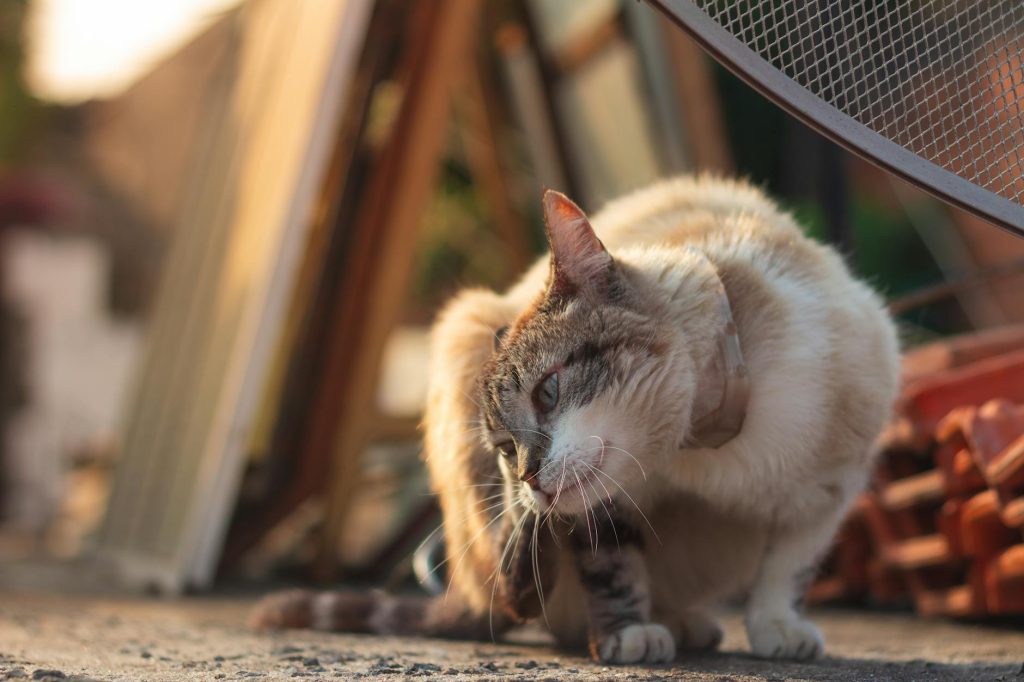
Fleas can cause costly problems when early signs are missed. Learn the signs, risks, how to get rid of fleas, and when to call Round the Clock Pest Services.
Key Takeaways About Getting Rid of Fleas
- Fleas can affect dogs, cats, and other animals in your home, so learning to spot them early on your pets and in their surroundings is an important first step.
- Getting rid of fleas requires attention to both pets and the places where fleas may breed, since treating only one area can leave the problem unresolved.
- Regular cleaning habits and consistent pet care play a key role in reducing flea activity and keeping your home less inviting to fleas over time.
- When DIY steps fall short, a professional inspection can help identify where fleas are present and guide a targeted approach to control.
How to Identify a Flea Infestation
Before you can figure out how to get rid of fleas, you need to confirm what you are dealing with. Several flea species exist, and each one feeds on the blood of animals to reproduce. According to Purdue Extension, the cat flea is the most common species and is usually the one found on cats and dogs in homes. The dog flea looks and acts like the cat flea but is less common, while the true human flea is uncommon but may occasionally be found on people.
How to Tell Different Flea Types Apart
The adult cat flea is a small parasite, roughly 1/8 inch long (about 3 mm). It is brown, wingless, and has a laterally compressed body that allows movement between hairs on the host. Because the dog flea resembles the cat flea in appearance and behavior, telling them apart with the naked eye can be difficult. In most homes, the fleas you find on your pets are likely cat fleas, regardless of whether you own a cat or a dog.
How to Spot Flea Activity Inside Your Home
The most obvious sign of a flea problem is watching your pets scratch again and again. Inspect your cat or dog for small, brown, wingless insects moving through the fur. Flea activity often concentrates on the animal itself, so inspecting your pet is a practical first step.
Because fleas feed on blood to reproduce, even a small number of adults on a pet can signal a larger population of immature fleas developing nearby. Flea control should address both adult fleas on pets and breeding sites where immature fleas develop.
Where Flea Activity Shows Up Around Homes
Fleas are most commonly a pest of cats and dogs in and around homes. Breeding sites tend to be wherever your pet rests or spends the most time, since immature fleas develop in those areas. Checking bedding, resting spots, and carpeted areas your pet frequents can help you gauge the scope of the problem.
Exterior Entry Points Fleas Use
Pets typically pick up fleas outdoors and carry them inside. Areas around the home where cats and dogs spend time are common pickup points. Because several flea species may be present in outdoor environments, any pet with outdoor access can bring fleas into your living space. Regularly checking your pet after time spent outside is a straightforward way to catch activity early.
Why Flea Problems Develop
Flea problems rarely appear overnight. They build over weeks as fleas find the right combination of hosts, shelter, and food sources in and around your home. Understanding why these conditions develop helps you address the root causes rather than just the visible adults.
Outdoor Nesting Areas for Fleas
Adult cat fleas feed on dogs, cats, and a variety of furred animals. When those animals rest or travel through shaded outdoor areas, fleas and their eggs can accumulate in the soil and ground cover. These outdoor zones become ongoing sources of reinfestation if they are not addressed alongside indoor efforts.
Food and Shelter That Attract Fleas
Flea larvae depend on specific food to survive indoors. Flea feces, left behind by adult fleas on your pet, fall into carpet fibers and become a primary food source for developing larvae. Carpeting offers shelter that protects eggs and larvae from disturbance, allowing populations to grow between your pet’s resting spots.
According to Texas A&M AgriLife Extension, thorough vacuuming with a beater-type vacuum can remove 15 to 30 percent of larvae and 30 to 60 percent of flea eggs from carpeting. Without regular vacuuming, that debris remains available to feed the next generation.
How Fleas Move Around Homes
Fleas move from host to host using strong jumping legs. Adult fleas are small, wingless insects roughly 1/8 inch long, brown to black in color. They jump onto dogs, cats, or other furred animals and can spread through your home wherever pets travel, sleep, or sit. The vibrations and movement of household activity can also stimulate adult fleas to exit cocoons, expanding the active population indoors.
Trails and Entry Points Fleas Use
Pets are the primary pathway fleas use to enter your home. Every trip outside gives fleas an opportunity to hitch a ride back indoors. Once inside, fleas concentrate where pets spend the most time. Using a flea comb on your pet, paying special attention to the face, neck, and the area in front of the tail, can help you detect a problem early and remove adult fleas from fur before they spread further.
Daily vacuuming in areas where fleas have been found helps disrupt this cycle by removing flea feces and eggs from carpeting and floors.
Risks From Flea Infestations
Understanding the risks fleas pose helps you recognize why addressing an infestation matters. These parasites feed on blood from pets and people, and their bites can lead to discomfort, allergic responses, and even disease transmission. Knowing what is at stake keeps you motivated to act before a flea population grows harder to manage.
Health Risks Linked to Fleas
Flea bites are itchy and irritating for both people and animals. Some people and pets suffer from flea-bite allergic reactions, which can make the discomfort much worse. Adult fleas bite dogs and cats for a blood meal, and pets that fleas bite over and over may scratch until the skin is raw.
Beyond the bites themselves, fleas can carry disease. According to Kansas State University Extension, the cat flea can transmit a common tapeworm to dogs and cats, murine typhus to humans, and the bacterium that causes cat scratch disease between cats. These health concerns make flea control more than a comfort issue.
Property Damage From Fleas
While fleas are generally pests of animals rather than structures, a heavy infestation turns your home into a difficult environment for everyone living in it. Dogs and cats serve as primary hosts in homes, and as populations grow, fleas spread through carpeted areas and upholstered spaces where pets rest. The ongoing cycle of biting and breeding can make indoor spaces uncomfortable until the infestation is addressed.
Flea Activity in Food Areas
Fleas do not target food the way some household pests do. Their interest is blood, not stored goods. However, areas where pets eat and sleep often overlap with spaces where flea activity concentrates. Adult fleas bite and consume the blood of their hosts, so any room where a dog or cat spends time can become a hotspot for flea presence.
When to Look Closer at Flea Activity
Fleas may also bite people, particularly if no other host is present. They can jump sometimes 8 to 10 inches, launching toward a potential host who walks by. Flea bites on people occur most often near the ankles and lower legs. If you notice itchy bites in that pattern, it is worth inspecting your pets and the areas where they rest for signs of flea activity.
Catching the problem early gives you more options. If your pets are scratching more than usual or you spot tiny jumping insects near bedding or carpeted floors, take a closer look and consider whether professional help may be the right next step.
Professional Pest Control for Fleas
A flea infestation involves more than what you see on your pet. According to Oregon State University Solve Pest Problems, getting rid of a flea infestation requires treating your pet and cleaning both indoor and outdoor areas where your pet spends time. That multi-step approach is why professional pest control can make a real difference when DIY efforts fall short.
How to Reduce Attractants for Fleas
The first step in any flea treatment plan is reducing the conditions that let fleas thrive. Treat pet resting areas indoors and clean or remove pet bedding on the same day you begin addressing the infestation. Tackling pets, bedding, and your premises together keeps fleas from cycling back through your home.
Keep vacuuming the area for several weeks, as this helps disrupt the flea life cycle. If you still see fleas after two weeks, re-treat the area. Consistent cleaning over time is just as important as the initial treatment itself.
Why Flea Control Starts With Inspection
Before any flea treatments begin, an inspection of pet resting areas, bedding, and carpeted zones helps identify where the infestation is concentrated. Service professionals look at areas where pets rest, sleep, and spend the most time. This targeted review guides how and where to treat your home.
A careful inspection also helps determine whether delicate items need special attention. Before spraying delicate fabrics, you should treat a small portion first to be certain the spray will not stain the fabric. Catching these details early prevents unnecessary damage during treatment.
What to Expect During Professional Flea Treatment
Professional flea treatments typically focus on breaking the flea life cycle at multiple stages. Insect growth regulators such as methoprene (Precor) and pyriproxyfen (Nylar, Archer) prevent flea eggs from hatching and larval fleas from pupating into adults. According to the University of Tennessee Extension, insect growth regulators are important to break the flea life cycle.
For your pet, apply topical treatments on your pet’s neck where the product is out of the animal’s reach. Treating your pet at the same time as your home keeps the infestation from bouncing between your pet and your living spaces.
Professional pest control technicians may have access to commercial-grade products and application methods that differ from store-bought options. That access is one reason a professional approach to a flea infestation can differ from store-bought options.
What to Expect From a Flea Control Plan
Flea control is not a single-visit process. Plan to continue treating and vacuuming for several weeks to help disrupt the full flea life cycle. Ongoing attention helps address eggs and larvae that were not yet visible during the first treatment.
Round the Clock Pest Services, a woman-owned and operated company, emphasizes quality, communication, and your satisfaction throughout the process. A service professional will contact you before arrival so you know exactly when to expect help with your flea infestation.
Bottom Line on Getting Rid of Fleas
Getting rid of fleas takes a two-pronged approach: treating your pets and addressing the areas where immature fleas develop. Vacuuming regularly, washing pet bedding, and using a flea comb on your dogs and cats can help reduce flea numbers at home. However, DIY steps have limits, and a persistent infestation may call for professional help. If fleas keep returning despite your efforts, contact Round the Clock Pest Services for an assessment of your home.
Frequently Asked Questions
Why Do Fleas Keep Coming Back After I Clean?
Flea eggs can fall off pets and settle into carpets, furniture, and bedding throughout your home. Even after cleaning, hidden eggs and larvae in these areas may continue to develop. Consistent vacuuming and laundering pet bedding can help, but addressing both pets and their surroundings at the same time is important for reducing flea activity.
Can Fleas Bite People?
Yes. Flea bites are itchy and irritating. Some people and pets may also experience flea-bite allergic reactions, which can increase discomfort beyond typical itching.
Should I Treat My Pets and My Home at the Same Time?
A combined approach tends to produce better results. Treating only your pet leaves immature fleas developing in carpets and furniture. Treating only your home allows adult fleas on pets to continue the cycle. Addressing both areas together helps interrupt flea development at every stage.
When Should I Call a Professional for Flea Control?
If regular cleaning, vacuuming, and pet treatments have not reduced flea activity, a professional inspection can help identify problem areas you may have missed. A pest control professional can evaluate breeding sites in your home and recommend a targeted approach suited to your situation.