
You wake up with a row of itchy bites on your arm and assume it’s a one-time problem. Days later, new bites appear, and a closer look around the mattress reveals tiny insects hiding in the seams. What starts as a small discovery can quickly raise a bigger question: how long can bed bugs survive inside a home?
In California homes, bed bugs can live for months under favorable conditions, which is one reason infestations often persist longer than homeowners expect. This guide explains how long bed bugs typically live, how to identify bed bugs at different life stages, the risks they pose, steps you can take to help prevent them, and how professional control approaches work.
Key Takeaways
- Bed bugs can live for several months to about a year under favorable indoor conditions.
- A bed bug’s life cycle can be completed in as little as five weeks when temperatures and food sources support development.
- Eggs, nymphs, and adults may be present at the same time, allowing infestations to persist and expand over time.
- Early detection is important because bed bugs can remain hidden near sleeping areas while populations continue to grow.
How Long Do Bed Bugs Live?
Bed bugs can live long enough to sustain an infestation, and understanding their lifespan helps you recognize why infestations can persist if left unaddressed. Bed bugs can live approximately 10 months to one year under favorable conditions. Their life cycle can be completed in four to five weeks.
Because bed bugs progress through multiple growth stages before reaching adulthood, a single introduction into your home can lead to a growing population over several weeks. Knowing how long bed bugs live at each phase gives you a clearer picture of the timeline you may be dealing with.
The combination of a long lifespan, repeated feeding, and ongoing egg production is what allows bed bug infestations to persist for extended periods.
How to Identify Bed Bug Lifespan Factors
A bed bug’s lifespan includes several growth stages, and each stage depends on access to a blood meal. Bed bugs go through five nymph stages before reaching adulthood, and each stage requires a blood meal before the bug can molt to the next one. Because eggs, nymphs, and adults can all be present at the same time, recognizing each form helps you gauge the age and scope of an infestation.
How to Spot Bed Bug Activity Inside Your Home
Bed bugs feed on human blood and usually bite when people are sleeping. Bites cause red welts and itching that can last several days in most people. However, some people have no reaction at all and may not even be aware of an infestation.
Because bed bugs feed repeatedly while remaining hidden, infestations can disrupt sleep and become increasingly difficult to ignore. Spotting shed exoskeletons from molting confirms that nymphs are growing through their life stages in your home.
Seams along mattresses, cracks in headboards, and gaps behind baseboards all serve as travel corridors. These routes keep bed bugs close to a food source while providing daytime shelter. In multi-unit housing, they can move through shared wall voids, following the same pathways that related species like bat bugs use when their original food source disappears from adjacent spaces.
How Bed Bug Lifespan Affects Infestations
Female bed bugs can lay hundreds of eggs over their lifetime. Because eggs, nymphs, and adults may all be present at the same time, infestations can continue growing for months when conditions remain favorable. Check mattress seams, headboards, and nearby furniture for clusters of eggs or adults.
Why Bed Bug Problems Develop
Bed bug longevity depends heavily on access to a consistent food source and favorable temperatures. When conditions align, populations can grow quickly. That reproductive pace helps explain why a small presence can turn into a larger one before you notice the signs.
Food and Shelter That Attract Bed Bugs
A consistent food source is the single biggest factor that keeps bed bugs alive and breeding. Without regular access to a host, their lifespan shortens. When a food source is present and temperatures are stable, they can persist for months.
How Bed Bugs Move Around Homes
Bed bugs do not fly or jump. They hitchhike on luggage, clothing, and furniture to reach new rooms. Once inside, they gravitate toward areas where a food source rests for extended periods, such as sleeping areas. Their flat bodies let them tuck into tight gaps during the day and come out when a host is still.
Risks From Bed Bug Infestations
Because bed bugs can persist for extended periods between feedings, even a small number of overlooked bugs can grow into a larger concern over time. Understanding the risks tied to their longevity helps you take the right steps before an issue becomes harder to manage.
Health Risks Linked to Bed Bugs
Bed bugs feed while the host is sleeping. Most individuals are not aware of bites until symptoms develop, and reactions vary from person to person. This delay in noticing bites means a population can grow quietly in your home over weeks or months. The longer bed bugs live undetected, the more feeding events may occur before you realize there is a problem.
When to Look Closer at Bed Bug Activity
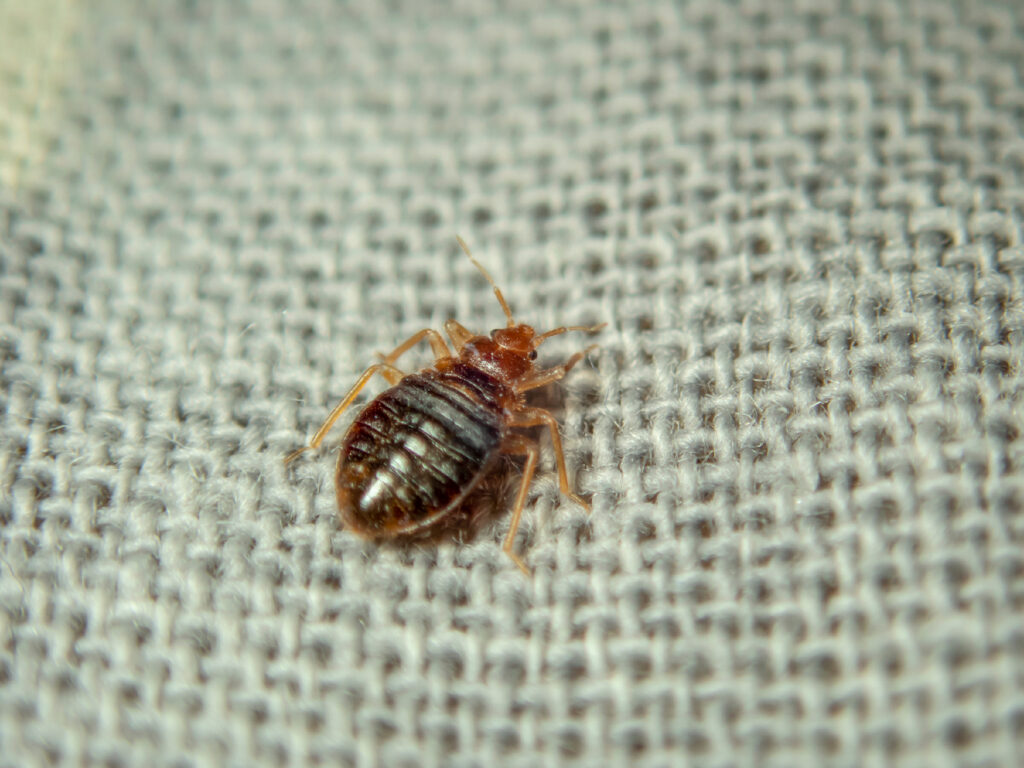
Early detection matters because immature bed bugs can be difficult to spot. They range in size from a pinhead to an apple seed, depending on how many blood meals and molts they have had, and their yellow to light tan color helps them blend into fabric. Eggs are white and about the size of a pinhead, making them easy to miss.
Inspect mattresses, box summers, and headboards for live bed bugs as well as fecal or blood spots. Regular checks give you the best chance of catching activity before the population has time to grow and spread through your home.
Professional Pest Control for Bed Bugs
Because bed bugs can survive for months and multiple life stages may be present at the same time, infestations often require a treatment strategy. A multi-step approach that combines inspection, treatment, and monitoring is often needed rather than a single visit.
How to Reduce Bed Bug Hiding Places
Reducing clutter and limiting hiding places can make inspections and treatments more effective. Keeping sleeping areas clean and clutter-free reduces the number of places these pests can hide between feedings. Recognizable signs include excrement left around hiding places and reddish-brown spots on mattresses and furniture. Spotting these signs early gives you a better starting point before bringing in pest control help.
Protective encasements for mattresses and box summers remove hiding spots and keep bed bugs from entering the mattress. According to Purdue Extension, encasements also make future inspections and treatments easier. This simple step works alongside professional pest control to limit where bed bugs can shelter during their lifespan.
Why Bed Bug Control Starts With Inspection
A professional pest control company will inspect mattress seams, headboards, baseboards, and wall voids as the first step. Round the Clock Pest Services uses dogs for bed bug inspections, which can help locate activity that might otherwise go unnoticed. Because bed bugs can survive for extended periods in cracks and hidden areas, a detailed inspection is critical to understanding the scope of an infestation.
According to Oregon State University, professionals have special skills and tools to get rid of bed bugs. The longer bed bugs live undetected, the more they can spread through a home. An inspection maps out where they are hiding so that treatment can be directed to the right spots.
What to Expect During Professional Bed Bug Treatment
Pest control professionals will apply liquid treatments to bed frames, baseboards, inside furniture, and to most cracks and crevices where bed bugs may hide. These applications work best when applied to the bed bugs rather than relying on the pests to crawl over dry residues afterward.
Nonchemical treatments are often necessary as well. Mattress and box summer encasements seal bed bugs inside, addressing any that may have avoided other control measures. Pest management professionals know which encasements work best for this purpose.
What to Expect From a Bed Bug Control Plan
Given how long bed bugs can live, a single visit may not address every hidden pocket of activity. A control plan typically combines inspection, targeted treatment, and preventive steps like encasements to cover each stage of the bed bug lifespan.
Ongoing attention to sanitation and regular monitoring of sleeping areas helps support the work your pest control provider does. By pairing professional treatment with practical steps at home, you give bed bug infestations less room to persist over time.
Bed Bug Lifespan: Bottom Line
Bed bug lifespan depends on access to blood meals and environmental conditions, but adults can persist long enough to establish a serious infestation if left unchecked. Because they feed while you sleep and some people show no reaction to bites, an infestation can grow unnoticed for weeks. Early inspection and proper identification are the most important first steps. If you suspect bed bugs in your home, contact Round The Clock Pest Services to schedule a professional inspection using our trained detection dogs.
Frequently Asked Questions
Can bed bugs survive without feeding?
Bed bugs depend solely on blood for food. Without a host, they can persist for a period, but they cannot reproduce or complete their development without blood meals. Starvation timelines vary with temperature and the bug’s life stage.
How can I tell if I have bed bugs?
Inspect your mattress, box summer, and headboard for live bugs as well as fecal or blood spots. Correct identification is important because bed bugs can be confused with other small insects found around sleeping areas. Your local extension office can help confirm whether you have bed bugs, bat bugs, or swallow bugs.
What should I do with infested belongings?
Do not discard infested items without precautions. Dragging mattresses or furniture through your home can spread bed bugs to other rooms. Wrap items for disposal in plastic, seal them with tape, and label them. For nonwashable items, a hot dryer cycle of 30 to 45 minutes or several days in a freezer can help address the bugs present.
Do bed bug bites affect everyone the same way?
No. Most people develop red welts and itching that may last several days, but some have no visible reaction at all and may not realize an infestation exists. Repeated feeding over time can lead to emotional anguish and sleeplessness.