
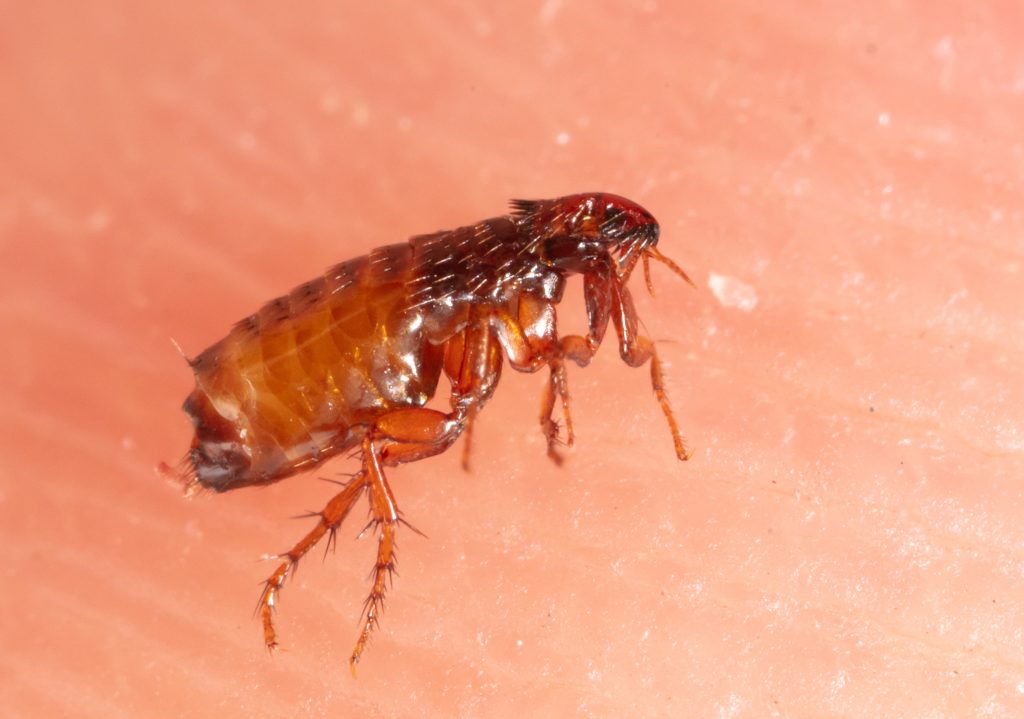
Fleas in California do not follow one statewide calendar. Spring warmth can raise flea activity in the Bay Area while colder mountain communities remain quiet. In Los Angeles and San Diego, mild winter weather may allow fleas to remain active outdoors or inside heated homes.
Most household infestations involve the cat flea, even when the affected animal is a dog. Other species are linked more closely to rats, ground squirrels, and wildlife. Knowing the difference can help you find the source instead of treating the same rooms again and again.
The season still matters. Temperature, moisture, animal movement, and shelter affect how quickly fleas reproduce and where they survive. A shaded crawlspace, pet bed, or spot beneath a deck can support flea activity even when the rest of the yard feels hot and dry.
Why Flea Season in California Is Different
California includes cool coastal neighborhoods, hot inland valleys, dry desert communities, and snow-covered mountain regions. Fleas respond to the conditions in the small spaces where animals rest. That can include carpet fibers, kennels, shaded soil, crawlspaces, garages, and upholstered furniture.
This is why two homes in the same county may have different flea problems. A sunny yard with little animal activity may remain clear, while a nearby property with outdoor pets, rodents, or opossums develops repeated infestations. The weather forecast alone cannot tell you what is happening under a porch or inside a pet bed.
The UC Statewide Integrated Pest Management Program identifies the cat flea as California’s most common flea. It also reports that flea numbers often increase sharply during spring and early summer, although pets can carry fleas throughout the year.
| California setting | Conditions that affect flea activity | Common concern |
| Coastal communities | Mild temperatures and shaded, moist areas | Flea activity may continue through much of the year |
| Inland valleys | Hot summers and cooler winters | Fleas gather in protected indoor and outdoor spaces |
| Southern California cities | Long warm periods and abundant urban wildlife | Pets, rodents, opossums, and feral cats can move fleas between properties |
| Foothill and mountain areas | Colder winters with active wild rodent populations | Household fleas and wildlife-associated fleas may occur in different settings |
Common Types of Fleas in California
California has many flea species, but only a few are likely to concern homeowners. The cat flea causes most indoor and pet-related infestations. Rat fleas and ground squirrel fleas have different hosts and usually point to a rodent or wildlife issue.
Fleas are tiny, laterally flattened insects that move quickly through fur and fabric. Species can look nearly identical without magnification. The host animal, property conditions, and location of activity often provide more useful clues than appearance alone.
| Flea species | Usual hosts | Where it may be found | Why it matters |
| Cat flea | Cats, dogs, opossums, and other mammals | Pet bedding, carpet, furniture, yards, and crawlspaces | Causes most household flea infestations |
| Dog flea | Dogs and other mammals | Areas used by infested animals | Less common on California pets than the cat flea |
| Ground squirrel flea | Ground squirrels and other wild rodents | Burrows, campgrounds, foothills, and mountain areas | Involved in the natural plague cycle |
| Oriental rat flea | Rats and other rodents | Rodent nests and infested structures | Has recognized public-health significance |
Cat Fleas
Cat fleas are the species California homeowners are most likely to find. They feed on cats and dogs, but they can also bite people and live on wildlife. An opossum resting beneath a deck or a feral cat sleeping beside a foundation can leave fleas in the surrounding area.
Adult fleas spend much of their time on an animal. Their eggs fall into the places where that animal rests. A pet may carry the adults into the house, while eggs collect in rugs, floor gaps, furniture, and bedding.
This split between the pet and the environment makes flea control difficult. Treating the animal may kill feeding adults, but immature fleas can remain in the room. New adults then appear after the homeowner believes the problem has ended.
Dog Fleas
Dog fleas can infest dogs, other mammals, and people. Still, finding fleas on a dog does not mean they are dog fleas. Cat fleas are much more common in pet-related infestations across California.
Separating the two species requires close examination of their body structures. That distinction is rarely the first concern inside a home. The immediate goal is to treat every pet correctly and address the areas where the animals sleep, play, and spend time.
Ground Squirrel Fleas
Ground squirrel fleas are associated with wild rodents rather than household pets. Californians may encounter them near burrows, hiking areas, cabins, campgrounds, and rural properties. Dogs that investigate squirrel burrows can also face exposure.
These fleas are connected to California’s natural plague cycle. That does not mean every squirrel or flea is infected. It does mean people should obey park warnings, avoid touching sick or dead rodents, and keep pets away from active burrows.
Oriental Rat Fleas
Oriental rat fleas live mainly on rats and other rodents. They are known for their historical role in transmitting plague and their ability to spread flea-borne typhus under the right conditions.
Fleas that appear in a home without pets may indicate rodents in an attic, wall void, garage, or crawlspace. Removing the rodents without addressing their fleas can cause hungry adults to seek people or pets as replacement hosts.
Fleas in California by Season
California flea activity usually builds during warmer weather, but each season creates a different set of risks. Spring and summer support faster development. Fall can push rodents closer to buildings, while winter allows existing indoor populations to continue.
The seasonal pattern also depends on where you live. Southern California and coastal communities may see a longer active period than inland or mountain areas. Indoor infestations can continue in any region when temperatures remain stable.
| Season | What changes | Places to inspect | Best response |
| Spring | Warmer conditions speed development and increase animal activity | Pet bedding, rugs, shaded soil, and areas beneath decks | Begin pet prevention and cleaning before numbers rise |
| Summer | Pets and wildlife spend more time outdoors | Kennels, patios, crawlspaces, shrubs, and outdoor resting spots | Focus control on shaded areas used by animals |
| Fall | Warm days continue while rodents seek shelter | Garages, attics, wall openings, and foundations | Watch for rodent signs and seal entry points |
| Winter | Outdoor development may slow, but indoor stages survive | Carpet edges, furniture, pet beds, and heated rooms | Continue cleaning and pet protection until the life cycle is broken |
Spring Flea Activity
Spring gives flea populations a chance to grow. Rising temperatures support larval development, while pets and wildlife spend more time moving through yards. Shaded areas beneath shrubs, porches, and outdoor furniture can hold enough moisture for immature fleas.
This is the best season to act before bites become frequent. Check pets with a flea comb and look for dark flea dirt near the base of the fur. Wash pet bedding, vacuum resting areas, and speak with a veterinarian about prevention suited to each animal.
Summer Flea Activity
Summer increases outdoor exposure. Dogs may visit parks, kennels, patios, and shared yards. Wildlife also uses shaded spaces near homes to escape the heat.
Fleas do not thrive equally across an entire California yard. Direct sunlight and dry, exposed soil are less favorable than protected areas where an animal sleeps. Treatment should focus on those active zones rather than covering every patch of open ground.
Pay attention to the space beneath decks, porches, and sheds. Outdoor cats, opossums, rodents, and other animals may rest there without being seen during the day. Their presence can explain why fleas keep returning after indoor cleaning.
Fall Flea Activity
Warm fall conditions can extend flea activity, especially in Southern California and along the coast. Pets continue moving between the yard and house, carrying adults into rooms where eggs can fall from their coats.
Fall also brings more rodent pressure around buildings. Rats and mice look for shelter, food, and water near garages, attics, and crawlspaces. Fleas may spread through the structure if their original host leaves or dies.
Look beyond the bites. Droppings, gnaw marks, scratching sounds, damaged food packages, or greasy marks near openings may indicate that rodent control is part of the solution.
Winter Flea Activity
Cold weather may reduce outdoor flea activity in inland and mountain regions. It does not clear an established indoor infestation. Heated rooms, pet bedding, carpet, and upholstered furniture provide stable shelter.
Fleas pass through egg, larva, pupa, and adult stages. The Centers for Disease Control and Prevention explains that the length of the life cycle varies widely with environmental conditions. Some stages develop quickly, while protected pupae can remain in place until conditions encourage adults to emerge.
Movement, warmth, and carbon dioxide can stimulate adult emergence. This helps explain why fleas sometimes appear after a family returns from vacation or enters a room that has been unused for several weeks.
Health Concerns Linked to California Fleas
Most flea infestations cause itching, skin irritation, and discomfort for people and pets. Some animals develop flea allergy dermatitis, which can lead to intense scratching and hair loss. Heavy infestations can also contribute to anemia in small or vulnerable animals.
Flea-borne typhus is a more specific concern in parts of Southern California. The California Department of Public Health reports that the disease is endemic in areas of Los Angeles and Orange counties. Infected fleas can be associated with rats, opossums, and stray cats.
The risk should be kept in perspective. A flea bite does not mean a person will develop typhus. Anyone who develops fever, headache, rash, or other concerning symptoms after flea or wildlife exposure should contact a medical professional.
Plague follows a different pattern in California. It is mainly connected to wild rodents and their fleas in rural, foothill, and mountain settings. It is not the expected outcome of a routine cat flea infestation inside an urban home.
Why Fleas Can Appear in Homes Without Pets
A pet-free home can still develop fleas. Rats, mice, opossums, feral cats, raccoons, and other mammals may rest in crawlspaces, attics, garages, or areas beneath decks. Fleas and eggs can remain after the animal moves on.
The location of bites may help narrow the source. Activity near a pet bed points toward a dog or cat. Fleas appearing around an access hatch, fireplace, garage, or unused room may suggest a hidden animal source.
Recent wildlife or rodent removal is another clue. Fleas that lose their host may spread into occupied rooms to find another blood meal. Exclusion work and flea treatment should be planned together so one action does not create a second problem.
How to Get Rid of Fleas in a California Home
Start with every pet in the household, even if only one animal is scratching. A veterinarian can recommend a product based on the pet’s species, size, age, and health. Never apply a flea treatment made for dogs to a cat unless a veterinarian and the product label confirm it is safe.
Clean the places where animals spend the most time. Wash pet bedding using the hottest setting the fabric can tolerate. Vacuum carpet edges, rugs, furniture, floor gaps, and the space beneath beds and couches.
Vacuuming once is rarely enough. New fleas can emerge after the first adults disappear. Regular cleaning helps remove eggs, larvae, debris, and some pupae while the pet treatment prevents new adults from feeding and reproducing.
Outdoor work should focus on animal resting areas. Remove debris, trim dense ground-level growth, secure trash, and stop feeding wildlife near the house. Seal openings only after checking for rodents or other animals that may already be inside.
When Professional Flea Control Makes Sense
Professional help is appropriate when fleas continue after pet treatment and repeated cleaning. It is also useful when several rooms are affected, bites began after rodent removal, or the source appears to be beneath the building.
A technician should inspect before treating. The inspection can identify pet resting zones, wildlife activity, rodent entry points, and protected areas where immature fleas may be developing. This allows the service to focus on the actual source.
Round The Clock Pest Services helps California homeowners track flea activity back to the places animals live and rest. A focused plan can combine treatment, cleaning guidance, and source correction so the same infestation does not keep rebuilding.
Protecting Your Home Through Every Season
Fleas in California are most active when warmer conditions support their development, but they are not limited to summer. Cat fleas can remain indoors throughout the year, while rodent and wildlife fleas create separate concerns in certain properties and regions.
The most effective response covers the full picture. Protect the pets, clean their resting areas, inspect for hidden animal activity, and continue long enough to interrupt every life stage. When fleas keep returning, contact Round The Clock Pest Services and schedule an inspection. We will inspect the property and build a plan around the way the infestation is moving through your home.