
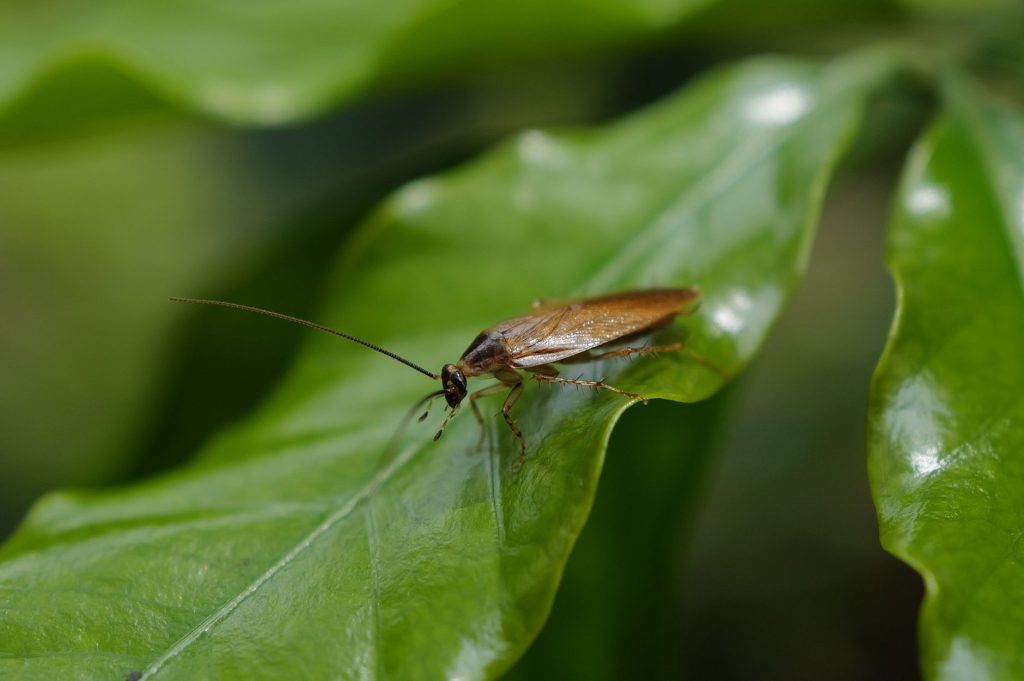
Cockroaches can cause costly problems when early signs are missed. Learn the cockroach types, signs, risks, and when to call Round the Clock Pest Services.
Key Takeaways About Cockroach Types
- Several cockroach types can show up in homes, and knowing which species you’re dealing with helps guide the right response.
- Each species differs in size, color, and preferred habitat, so accurate identification is an important first step.
- Reducing access to food, water, and shelter throughout your home is one of the most important steps for keeping cockroach populations in check.
- A professional assessment can help confirm the species present and outline a targeted approach for your situation.
How to Identify Cockroach Types
Knowing which cockroach species you are dealing with is the first step toward addressing the problem. Different species vary in size, color, and preferred habitat, so a closer look at the roach itself often tells you exactly what has moved in.
How to Tell Cockroach Types Apart
The German cockroach is perhaps the most common indoor cockroach species worldwide. According to Purdue Extension, the adult German cockroach is about 1/2 to 5/8 inch long and has two dark stripes on the front portion of its thorax. Adults are tan in color, while the immatures (nymphs) have dark markings that make them appear dark brown to black.
The Oriental cockroach is sometimes called a “water bug” or “water beetle.” It is dark brown in color, with females measuring about 1-1/4 inches long and males about 1 inch. The Asian cockroach is another species worth noting. It readily flies and is attracted to light, which distinguishes it from most cockroach species.
How to Spot Cockroach Activity Inside Your Home
German cockroaches are usually found in kitchens, and they often occur in large numbers. This species favors warm, humid atmospheres in the range of 70 to 75 degrees Fahrenheit. If you notice small, tan-colored roaches near warm, moist areas of your home, you may be looking at German cockroaches.
Sticky traps can help you confirm what you are dealing with. As UC IPM notes, cockroach sticky traps are useful in catching roaches for identification. Placing a few in areas where you suspect activity gives you a clearer picture of the species present.
Where Cockroach Activity Shows Up Around Homes
German cockroaches are especially common in multi-unit housing environments. Oriental cockroaches may occasionally appear inside houses as well. Because each species has different preferences, the location of activity can be a helpful clue during identification.
Exterior Entry Points Cockroaches Use
Some cockroach species are more likely to enter from outdoors. The Asian cockroach, for example, is typically found in shaded outdoor areas and can fly toward light sources on or around your home. Watching for roaches near exterior lighting may help you spot this species before it moves inside.
Why Cockroach Problems Develop
Cockroach problems usually start when your home offers the right combination of food, water, and shelter. Different cockroach types have different habitat preferences, but they all gravitate toward spaces where these basics are easy to find. Understanding where they nest, what draws them in, and how they travel can help you stay ahead of an infestation.
Outdoor Nesting Areas for Cockroaches
Several cockroach types begin outdoors before making their way inside. American cockroaches, oriental cockroaches, and smokybrown cockroaches can all be found in outdoor areas near buildings. Brown-banded cockroaches do well in drier habitats compared to other species, according to Kansas State University Extension. German cockroaches, on the other hand, spend their lives indoors, so outdoor nesting is less of a factor for that species.
Food and Shelter That Attract Cockroaches
Reducing food and water sources, along with known and potential hiding places, is essential to preventing cockroach infestations. Brown-banded cockroaches prefer starchy foods, while the American cockroach is occasionally found in homes but is more common in restaurants, grocery stores, bakeries, and other sites where food is prepared, as the University of Minnesota Extension notes.
Each cockroach type seeks out food and water in slightly different ways, but cluttered or undisturbed spaces give all of them the shelter they need to establish themselves.
How Cockroaches Move Around Homes
Oriental cockroaches may migrate into buildings at night in search of food, water, or mates. German cockroaches spend their lives indoors, meaning they typically spread from one indoor space to another rather than arriving from outside. Brown-banded cockroaches may be found alongside German cockroaches in the same structure, each taking advantage of different conditions within your home.
Trails and Entry Points Cockroaches Use
Cockroach types that live outdoors can enter your home through gaps and openings when conditions inside are favorable. As Purdue Extension notes, removing their food, water, and hiding places can help prevent infestations from taking hold. Keeping potential entry areas sealed and reducing food and water sources near your home’s perimeter limits the opportunities cockroaches have to move in.
Risks From Different Cockroach Types
Different cockroach types pose different levels of concern depending on where they show up in your home. Understanding which species you are dealing with helps you gauge the actual risk and decide how quickly to respond.
Health Risks Linked to Cockroaches
According to the EPA, German cockroaches are the most common cockroach found in the United States. Because they thrive indoors, they can build populations quickly in kitchens and bathrooms. Their constant presence in living spaces raises the potential for contact with surfaces where you prepare or store food.
Other cockroach types, such as the American cockroach, oriental cockroach, and brown-banded cockroach, may also turn up indoors. Each species has habits that can bring it into contact with areas you use daily, though not every type establishes lasting indoor populations.
Property Damage From Cockroaches
Some cockroach types are more likely to settle inside your home than others. The German cockroach, identified by two dark brown stripes on the pronotal shield just behind the head, is strongly associated with indoor environments. Its preference for warm, moisture-rich spaces means it can concentrate in walls, cabinetry, and appliance areas over time.
By contrast, according to UF/IFAS Extension, some species are strong fliers that may invade structures, but indoor infestations are rare occurrences. Knowing which type you are seeing helps you understand whether the risk is a passing visitor or a developing indoor population.
Food Areas and Cockroach Activity
Kitchens and food-storage areas tend to attract the cockroach types most adapted to indoor living. German cockroaches, in particular, gravitate toward these spaces. Their small size and indoor preference make food-preparation areas a primary concern.
Species such as the Turkestan cockroach, which is native to Asia but was introduced to California and is expanding its range into Texas, may occasionally appear near structures. However, not every cockroach type you spot in a food area signals a full indoor infestation.
When to Look Closer at Cockroach Activity
Seeing a single cockroach does not always mean your home has an established population. Some types become active at sundown and are attracted to light-colored surfaces and brightly lit areas, which can draw them toward porches and entryways without leading to an indoor colony.
However, repeated sightings of the same species inside your home, especially the German cockroach, deserve closer attention. Multiple cockroach types, including the oriental cockroach, brown-banded cockroach, and woods cockroaches, can appear in or around homes, so accurate identification is an important first step.
Professional Pest Control for Different Cockroach Types
Managing a cockroach infestation goes beyond spotting a single roach in your kitchen. A thorough approach combines reducing what draws cockroaches into your home, inspecting for hiding places, and applying targeted treatments. Understanding how professionals handle different cockroach types can help you know what to look for and what to expect from a control plan.
How to Reduce Attractants for Cockroaches
Cockroaches seek out areas that provide easy access to moisture and shelter. To make your home less inviting, keep spaces behind appliances clean and dry. Areas behind stoves and refrigerators are common cockroach hiding places, so regular cleaning in those zones can make a noticeable difference.
Limiting clutter throughout your home also helps. Cockroaches use tight gaps and undisturbed areas to establish hiding spots. Reducing those opportunities lowers the chance that a minor presence turns into a full cockroach infestation.
Why Cockroach Control Starts With Inspection
Identifying cockroach types is the first step toward choosing the right approach. According to the EPA, proper identification paired with general knowledge about cockroach behavior helps guide both nonchemical and other control methods for a cockroach infestation.
A thorough inspection focuses on locating hiding places where cockroach activity concentrates. Because different cockroach types favor different environments, an inspection may cover warm, humid spaces as well as cooler, damp areas. This step helps professionals tailor their plan to your home’s specific situation.
What to Expect During Professional Cockroach Treatment
Treatment for a cockroach infestation typically combines multiple methods. As Purdue Extension notes, boric acid dust can be applied behind stoves, refrigerators, and other cockroach hiding places for long-term management. The dust stays useful as long as it remains dry, and it should be used sparingly to avoid unnecessary contamination.
Professionals may also use nonchemical approaches alongside dust applications. Integrated strategies help address various cockroach types rather than relying on a single method. Round the Clock Pest Services, a woman-owned and operated company, prioritizes communication throughout the process, contacting you before each visit so you know what to expect.
What to Expect From a Cockroach Control Plan
A well-structured cockroach control plan addresses the current infestation while helping prevent future activity. Your service professional should inspect key hiding places, identify the cockroach types present, and outline the methods they plan to use.
Round the Clock Pest Services emphasizes quality and 100% satisfaction. That means your plan should include clear communication about what was found, where treatments were applied, and any steps you can take between visits to keep your home less appealing to cockroaches. Ongoing attention to hiding places behind appliances and other sheltered areas supports long-term management of a cockroach infestation.
Cockroach Types: Bottom Line
Different species prefer different environments, and knowing their habits helps you focus prevention efforts where they matter most. Removing access to food, water, and hiding places can prevent infestations from taking hold. If you are unsure which species you are seeing or need help getting ahead of an active problem, contact Round the Clock Pest Services to request a quote and get started.
Frequently Asked Questions
How Can I Tell Which Cockroach Species Is in My Home?
Size, color, and behavior offer the best clues. Some species are small and light brown, while others are larger and darker. Sticky traps placed in areas where you suspect activity can capture specimens, making identification easier. Once you know the species, you can tailor your approach to prevention and management.
Do All Cockroaches Fly?
No. Most cockroach species rarely fly or cannot fly at all. Some, like the Asian cockroach, readily fly and are attracted to light, which sets them apart from the majority of species. Wing size and flight capability can actually help with identification when you are trying to determine what type you are dealing with.
What Attracts Cockroaches Indoors?
Cockroaches look for food, water, and sheltered hiding places. By removing those three attractants, you can help prevent infestations from developing. Keeping living spaces clean and dry, and reducing clutter that provides cover, goes a long way toward making your home less appealing to cockroaches.
Should I Handle a Cockroach Problem on My Own?
Minor sightings can sometimes be addressed through prevention and sanitation. However, when activity persists or you are unsure of the species involved, working with a trained service professional can help you address the issue more thoroughly. A professional assessment takes the guesswork out of identification and management so you can focus on enjoying your home.