
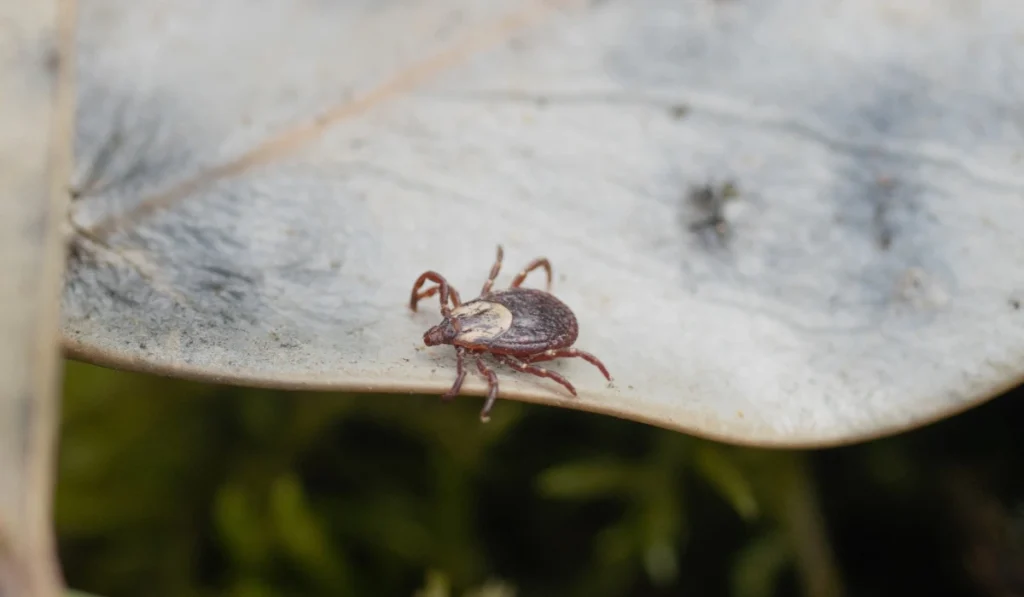
California tick season lasts all year, although the months of greatest activity depend on the tick species, local weather, and habitat. Western blacklegged ticks are particularly active in cooler months, while their tiny nymphs become a greater concern in spring.
That means a December walk through Walnut Creek’s oak woodlands can bring you into contact with ticks, just like a spring hike near San Diego’s coastal trails. Knowing when ticks are active, where they wait, and how to check your yard and pets can help you avoid unwanted bites without giving up your usual outdoor activities.
Key Takeaways
- Tick season in California is year-round. Western blacklegged tick nymphs are most active in spring, while adults are most active in fall and winter. Other species follow different seasonal patterns.
- Ticks favor vegetation and sheltered habitats. Tall grass, leaf litter, brush edges, and wooded trails create opportunities for ticks to attach to people and pets.
- Consistent prevention reduces exposure. Yard maintenance, veterinarian-recommended pet protection, regular tick checks, and targeted professional tick control can help manage problem areas.
When Is Tick Season in California, and Which Ticks Are Active?
California doesn’t have a single tick season with a clear beginning and end. Different species become active under different conditions, and a shaded woodland may support ticks when a nearby dry hillside does not.
According to the California Department of Public Health, adult western blacklegged ticks are most active in fall and winter, while their smaller nymphs are most active in spring. Pacific Coast ticks and American dog ticks generally reach their highest activity between early spring and midsummer. Tick bite exposure is typically lowest in late summer, although it never disappears completely statewide.
How Tick Activity Differs Across California
Moisture and vegetation make a difference. Northern California’s forests and the Bay Area’s oak-covered hillsides provide shaded habitats, while ticks in Southern California often occur around brushy canyons, foothills, and coastal scrub.
| Region | Common Exposure Areas | Seasonal Considerations |
| Northern California | Moist forests, woodland trails, leaf-covered ground | Cool-season adults and spring nymphs |
| San Francisco Bay Area | Oak woodlands, shaded parks, grassy hillsides | Adult activity during cooler months, with spring nymph exposure |
| Los Angeles County | Foothills, canyons, brush-covered trails | Activity influenced by seasonal moisture and cooler weather |
| San Diego County | Coastal scrub, chaparral, wooded recreation areas | Exposure varies with vegetation, humidity, and local conditions |
These patterns aren’t identical from one neighborhood to the next. A property bordering natural vegetation can have different tick conditions than a landscaped yard several streets away.
Common Types of Ticks in California
Several species of ticks in California can carry organisms that cause illness, although finding a tick doesn’t mean it is infected.
| Tick Species | Where It’s Commonly Found | Main Concern |
| Western blacklegged tick | Oak woodlands, leaf litter, grass, and shaded trails | California’s primary carrier of Lyme disease bacteria |
| American dog tick | Grassy areas, trails, and brush | Can carry certain disease-causing bacteria |
| Brown dog tick | Dog resting areas, kennels, and indoor spaces | Can establish infestations in homes and buildings |
| Pacific Coast tick | Coastal foothills, grasslands, and brush | Can transmit bacteria associated with Pacific Coast tick fever |
The brown dog tick deserves attention when ticks repeatedly appear around pet bedding, baseboards, or kennels. Unlike many outdoor tick species, it can reproduce inside buildings where dogs live.
California Tick Season Month by Month
The best way to understand California tick season is to look at the calendar by life stage. Western blacklegged tick nymphs and adults have different activity patterns, which explains why both spring and winter deserve attention.
| Month | Typical Tick Activity | What Homeowners Should Do |
| January | Adult western blacklegged ticks remain active in suitable cool, moist habitats. | Check pets and clothing after woodland walks. |
| February | Adults remain active. Nymphs can begin appearing in some locations. | Clear accumulated leaves from walkways and play areas. |
| March | Spring nymph activity increases in suitable habitats. | Check skin carefully after hiking or gardening. |
| April | Nymph activity is often high in wooded habitats. | Watch for tiny attached ticks after outdoor activities. |
| May | Nymph exposure remains a concern, alongside activity from other tick species. | Inspect children and pets after time near brush. |
| June | Nymphs remain active in some regions, and dog ticks are also encountered. | Maintain vegetation along paths and outdoor play spaces. |
| July | Activity often decreases in hot, dry habitats. | Continue precautions in shaded, moist areas. |
| August | Exposure is generally lower across many California habitats. | Keep pet prevention routines in place. |
| September | Dry conditions often limit activity, although local exceptions occur. | Remove vegetation buildup around yard edges. |
| October | Adult western blacklegged tick activity begins increasing as conditions cool. | Check clothing after hikes and yard work. |
| November | Cool-season adult activity becomes more common. | Inspect dogs after walks near natural vegetation. |
| December | Adult ticks can remain active throughout winter. | Continue tick checks during outdoor recreation. |
*This calendar describes typical conditions rather than predicting tick numbers in every county. A wetter season or sheltered habitat can extend activity beyond the usual peak periods.
Why Spring Nymph Activity Matters
Western blacklegged tick nymphs are roughly the size of a poppy seed. They’re easy to miss, particularly when they attach beneath clothing or near the hairline.
The University of California Integrated Pest Management Program reports that nymphs in northwestern California can be encountered from January through October, with activity generally highest from March through July. Some studied locations in Central and Southern California have shorter periods of nymph activity.
This distinction matters when planning spring hikes. A quick look at your arms and legs may miss a tick attached behind your knee, under your waistband, or near your scalp.
Where Ticks Hide and What Health Risks They Pose
Ticks don’t fly or jump onto people. They wait in vegetation or sheltered places and attach when a person or animal comes into contact with them. Around homes, those encounters often happen where maintained landscaping meets natural brush.
Common Tick Habitats Around Homes and Trails
| Location | Why Ticks May Be Present |
| Tall grass | Provides vegetation where ticks can wait for passing hosts. |
| Leaf litter | Retains moisture and shelters immature ticks. |
| Brush edges | Creates contact points along fence lines, pathways, and natural vegetation. |
| Fallen logs | Can provide sheltered surfaces for western blacklegged tick nymphs. |
| Shaded trails | Bring hikers and pets close to grass, shrubs, and woodland debris. |
| Dog resting areas | Can harbor brown dog ticks introduced by infested pets. |
A wooded yard doesn’t automatically have a tick infestation. Still, homeowners who garden near leaf litter or walk dogs along overgrown paths have more opportunities for contact than those staying on clear, maintained surfaces.
Tick Bites and Health Concerns
Most tick encounters do not result in illness. However, infected ticks can transmit bacteria and other disease-causing organisms, so prompt removal and awareness of symptoms are worthwhile.
| Health Concern | Symptoms or Signs to Recognize |
| Lyme disease | Fever, headache, fatigue, and sometimes an expanding skin rash |
| Pacific Coast tick fever | Fever, headache, and sometimes a dark scab at the bite site |
| Other spotted fever diseases | Fever, muscle aches, headache, and sometimes a rash |
| Local bite reaction | Itching, redness, or mild irritation without an infection |
What to Do After a Tick Bite
If you find an attached tick, remove it promptly using clean, fine-tipped tweezers. Grasp it close to the skin and pull upward with steady pressure. Avoid crushing the tick, twisting it, or using heat or petroleum jelly to make it detach.
Clean the area afterward and watch for changes in your health. See a doctor if you develop fever, rash, unusual fatigue, or other concerning symptoms after a suspected tick bite. Explain where and when you may have been exposed, even if you no longer have the tick.
How to Prevent Ticks in Your Yard and Protect Your Pets
Tick prevention works best when you address the places your family uses regularly. Start with backyard paths, patios, pet resting areas, and spaces where children play, particularly if your property borders woodland or brush.
You don’t need to remove every shrub or replace your entire lawn. Regular maintenance and a clear separation between busy outdoor areas and dense vegetation can reduce opportunities for contact.
Yard Tick Prevention Checklist
| Yard Maintenance Task | Why It Helps |
| Mow grass regularly | Keeps tall vegetation under control. |
| Remove fallen leaves | Reduces sheltered, moisture-retaining areas. |
| Trim shrubs along paths | Limits contact with vegetation where ticks may wait. |
| Add a gravel or wood-chip border | Helps separate maintained lawns from wooded or brushy areas. |
| Stack firewood neatly | Reduces sheltered places that can attract rodents. |
| Secure trash and outdoor pet food | Helps discourage wildlife that may carry ticks. |
| Keep play equipment away from brush | Reduces children’s contact with potential tick habitats. |
For example, a Walnut Creek homeowner whose backyard borders an oak-covered hillside can maintain a clear walking path and trim vegetation along the property’s edge. These steps won’t eliminate every tick, but they can reduce everyday exposure without removing the natural landscaping.
Tick Prevention for Pets and Family Members
Dogs and cats can bring ticks indoors after spending time outside. Check pets after walks, especially around their ears, collars, paws, legs, and tails. Ask your veterinarian about appropriate preventive products, and never use a dog-only treatment on a cat unless its label specifically permits it.
For people, pay attention to the scalp, behind the ears, underarms, waist, and backs of the knees. Wear protective clothing in brushy areas, use an EPA-registered tick repellent as directed, and stay near the center of maintained hiking trails.
The Centers for Disease Control and Prevention (CDC) recommends showering within two hours of returning indoors. It also advises placing dry outdoor clothing in a dryer on high heat for 10 minutes to kill ticks. Damp clothing needs additional drying time.
When to Consider Professional Tick Control in California
Yard maintenance and personal precautions help reduce tick exposure, but recurring activity may call for a closer look at your property. If ticks repeatedly appear near a patio, dog run, or other frequently used area, professional tick control can help identify conditions that routine maintenance hasn’t addressed.
What Professional Yard Treatment May Cover
A tick control service may begin by inspecting shaded vegetation, property borders, pet areas, and other locations where ticks could be present. The findings can help determine whether habitat changes, targeted outdoor treatment, or additional monitoring are appropriate.
A professional perimeter treatment may reduce ticks in selected areas when the application is appropriate for the property and follows the product label. It won’t eliminate every tick or prevent new ones from arriving on wildlife and pets, which is why regular checks and yard care remain necessary.
Keep Your Property Prepared Throughout California Tick Season
California’s changing tick activity means prevention shouldn’t stop when summer ends. Keeping vegetation maintained, using appropriate pet protection, and checking for ticks after outdoor activities can reduce exposure through the seasons.
Round the Clock Pest Services offers tick control for California homeowners. Our local technicians understand the differences between urban yards, wooded property edges, and brush-covered neighborhoods, helping homeowners assess persistent pest activity and consider appropriate treatment options.
If ticks keep appearing around your home, contact Round the Clock Pest Services for a free quote. A professional assessment can help identify problem areas and determine which tick control services fit your property, so you can continue enjoying your outdoor spaces with fewer unwanted encounters.
California Tick Season: FAQs
What month are ticks most active in California?
There isn’t one peak month for every tick species. Western blacklegged tick nymphs are generally most active in spring, especially around April and May in many suitable habitats. Adults are more active during cooler months, while American dog ticks and Pacific Coast ticks have stronger spring and early-summer activity patterns.
Are ticks active in California during winter?
Yes. Adult western blacklegged ticks remain active during fall and winter, especially in cool, moist habitats. This includes some Bay Area woodlands and coastal areas. You should continue checking clothing and pets after winter hikes, even when temperatures feel too cool for most insects.
Can ticks live inside California homes?
Most ticks encountered on outdoor trails don’t establish lasting indoor infestations. Brown dog ticks are an exception because they can complete their life cycle in homes, kennels, and other sheltered environments. Repeated sightings near pet bedding or indoor resting areas deserve closer inspection and appropriate treatment.
How can I reduce ticks in my backyard?
Keep grass trimmed, remove leaf litter, cut back overgrown brush, and create separation between frequently used areas and natural vegetation. Reducing wildlife attractants can also help. If ticks continue appearing despite regular maintenance, a professional inspection can help identify habitats and determine whether targeted treatment is appropriate.