
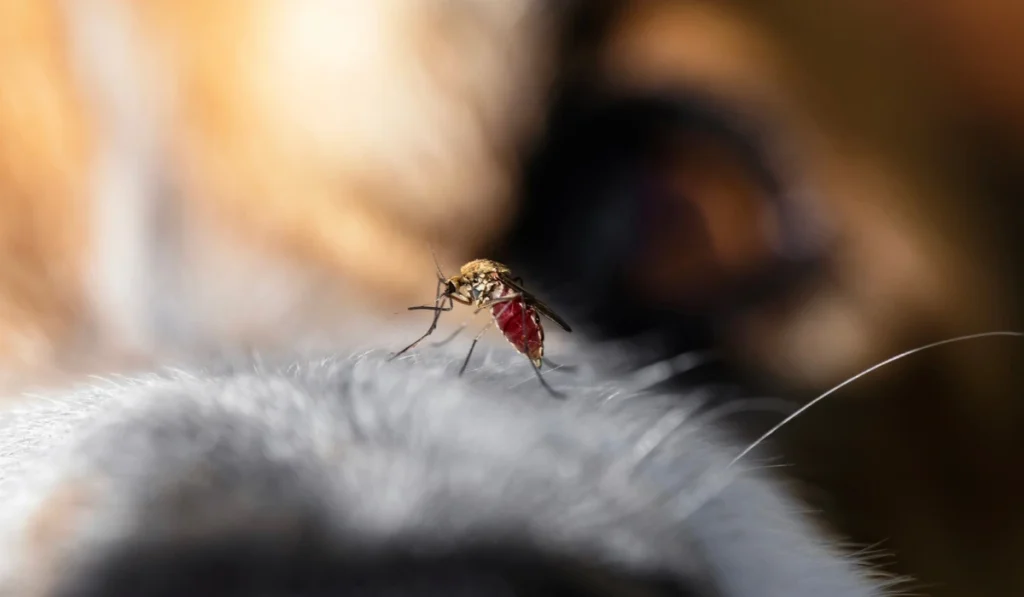
California mosquito season can stretch from spring into late fall, and some species remain active during winter. The mosquitoes bothering you on a San Diego patio in the afternoon may be different from those biting after sunset in Los Angeles. Even a small amount of water in a flowerpot saucer can provide a place for them to breed.
Knowing which California mosquito species to watch for helps you understand their biting habits, seasonal activity, and preferred breeding sites. Here’s what homeowners across California should know about identifying mosquitoes, reducing their numbers, and recognizing when professional help makes sense.
Key Takeaways
- California mosquito season lasts longer than summer. Warm weather can keep mosquitoes active through fall, while certain species remain active during cooler months.
- Culex and invasive Aedes mosquitoes behave differently. Culex mosquitoes are associated with West Nile virus and often bite around dusk. Invasive Aedes mosquitoes bite during daylight and breed in tiny containers near homes.
- Weekly yard maintenance helps stop mosquito breeding. Emptying and scrubbing water-holding containers can reduce mosquito populations. Professional treatments help manage persistent activity and breeding conditions homeowners cannot easily address.
California Mosquito Species Homeowners Should Watch For
There are dozens of mosquito species in California, but three groups are especially relevant to homeowners: Culex, invasive Aedes, and Culiseta. Their appearance, breeding habits, and preferred feeding times offer clues about which mosquitoes are visiting your yard.
Culex Mosquitoes
Culex mosquitoes are widespread throughout California. They’re typically brown and lack the distinctive black-and-white markings of invasive Aedes mosquitoes. Many become more active around dusk and continue feeding after dark.
These mosquitoes use standing water in neglected pools, drainage structures, and other suitable habitats. Several California Culex species can transmit West Nile virus, making them an important part of mosquito surveillance programs.
Invasive Aedes Mosquitoes
The yellow fever mosquito and Asian tiger mosquito are two invasive Aedes species found in California. Both have dark bodies with white markings and readily bite people during daylight hours.
Yellow fever mosquitoes often stay close to homes, where they breed in small artificial containers. Asian tiger mosquitoes use similar habitats and frequently rest in shaded vegetation. Their bites can be especially noticeable around patios, gardens, and entryways.
The California Department of Public Health confirms that invasive Aedes mosquitoes have established populations in many parts of California, particularly Southern California and the Central Valley. However, their distribution varies by county, and both species are not necessarily present in every neighborhood.
Culiseta Mosquitoes
Culiseta mosquitoes are worth recognizing because some remain active during cooler weather. The large winter mosquito, for example, is particularly active during winter and may occasionally bite people.
Other Culiseta species have different feeding preferences, with some primarily feeding on animals. Their seasonal patterns explain why spotting a mosquito in January doesn’t necessarily mean an unusually warm-weather species has survived through winter.
When Is California Mosquito Season?
California mosquito season generally becomes more noticeable in spring, reaches high activity during summer, and continues into fall. However, there isn’t a statewide starting or ending date. Temperature, rainfall, irrigation, and mosquito species all influence local activity.
A warm October evening in the San Fernando Valley can support mosquito activity long after summer ends. Meanwhile, cooler coastal conditions may slow some species earlier in the season, even though others remain active.
California Mosquito Season Calendar
| Season | Typical Activity | What Homeowners Should Watch For |
| Winter: December to February | Lower activity overall, although certain cool-weather mosquitoes remain active. | Rain-filled containers, drainage problems, and occasional bites during mild weather. |
| Spring: March to May | Mosquito populations increase as temperatures rise and suitable water sources become available. | Water collecting in birdbaths, gardens, and containers after rain. |
| Summer: June to August | Many Culex and Aedes populations are highly active. | Daytime bites around shaded patios and evening activity near outdoor seating areas. |
| Fall: September to November | Mosquito activity may remain significant during warm weather before declining. | Continued bites around irrigated landscaping and water trapped after early storms. |
These periods describe general patterns rather than exact seasonal dates. Local mosquito surveillance and recent weather provide a more accurate picture of activity in your neighborhood.
How Mosquito Season Changes Across California
- Los Angeles County and the San Fernando Valley: Long stretches of warm weather can keep mosquitoes active into late fall. Irrigation provides breeding water even when rainfall is limited, particularly around landscaped yards and patios.
- San Diego County: Coastal and inland neighborhoods experience different temperatures. Inland properties often become hotter during summer, while coastal communities stay milder. Both can support mosquitoes when standing water is available.
- San Francisco and the Bay Area: Cooler conditions generally reduce warm-season activity sooner than in many Southern California neighborhoods. However, certain mosquito species remain active during wetter, cooler months.
- Walnut Creek and inland Contra Costa County: Hot summers can favor mosquito development wherever suitable water sources exist. Irrigated gardens and drainage problems deserve attention even during otherwise dry weather.
Are There Mosquitoes in California in Winter?
Some mosquitoes remain active during cooler months, especially when temperatures are mild. Others survive winter in different life stages and become more noticeable when conditions improve.
Rain can also fill containers that stayed dry during summer. Checking your yard throughout winter helps prevent water from collecting in places where mosquitoes may breed later.
Why Some California Mosquitoes Bite During the Day
Getting bitten while watering plants at noon is different from dealing with mosquitoes during an evening barbecue. The timing can help narrow down which species may be present, although biting behavior alone cannot confirm identification.
Invasive Aedes mosquitoes are aggressive daytime feeders. They often remain relatively close to their breeding areas, which means repeated bites around the same patio or garden may point to nearby containers holding water.
Daytime Biters vs. Dusk and Dawn Biters
| Biting Pattern | Likely Mosquito Group | Where to Look |
| Morning and afternoon | Invasive Aedes | Shaded patios, flowerpot saucers, and small containers near the home. |
| Dusk and nighttime | Many Culex species | Storm drains, neglected pools, and other standing-water habitats. |
| Cooler mornings or evenings | Certain Culiseta species | Seasonal water sources and sheltered outdoor areas. |
Mosquitoes can feed outside their usual peak hours, particularly in shaded locations. If you’re seeing unusual numbers of daytime mosquitoes, your local vector control district may be able to help identify the species.
What Diseases Can California Mosquitoes Spread?
West Nile virus is among California’s main mosquito-borne health concerns. Infected Culex mosquitoes can transmit the virus to people after acquiring it from infected birds. Most people who become infected develop no symptoms, although some experience fever, headaches, or body aches. A smaller number develop severe neurological illness.
California’s official West Nile virus surveillance website reported 452 human cases across 24 counties and 29 deaths in 2026 as of October 23, 2026. These figures represent a dated statewide surveillance snapshot, not the disease risk in any individual neighborhood.
Invasive Aedes mosquitoes can transmit dengue, Zika, and chikungunya viruses. California has documented rare locally acquired dengue infections, but finding these mosquitoes doesn’t mean those diseases are circulating nearby. Local public-health reports are the best source for current disease activity.
Where Do Mosquitoes Breed Around California Homes?
Many homeowners associate mosquito breeding with ponds, creeks, or neglected swimming pools. Those habitats matter, but invasive Aedes mosquitoes can use much smaller water sources, including bottle caps and plant saucers.
Female mosquitoes lay eggs in or near suitable water sources. Once the eggs hatch, the developing mosquitoes remain in water until they become adults. Removing that water interrupts the breeding cycle before another generation starts biting.
Common Backyard Mosquito Breeding Sites
| Location | Why It Matters | What to Do |
| Plant saucers | Water collects underneath pots after irrigation. | Empty and scrub the saucers regularly. |
| Bottle caps and discarded containers | Small objects can hold enough water for container-breeding mosquitoes. | Remove debris from gardens and patios. |
| Clogged gutters | Leaves block drainage and trap water. | Clear debris and restore proper drainage. |
| Birdbaths | Water may remain undisturbed for several days. | Empty, scrub, and refill regularly. |
| Buckets and outdoor toys | Rain or sprinklers leave water inside. | Store items upside down or under cover. |
| Neglected swimming pools | Unmaintained water can support mosquito development. | Restore proper pool maintenance. |
A yard can look well maintained and still contain breeding sites. Check behind planters, underneath furniture, and around gardening equipment, particularly after rain or heavy watering.
Make Mosquito Prevention a Weekly Habit
The Centers for Disease Control and Prevention (CDC) recommends emptying and scrubbing water-holding containers once a week. Scrubbing matters because mosquito eggs can remain attached to container surfaces even after the water has been removed.
Start with flowerpots, birdbaths, buckets, and outdoor toys. Then check gutters, irrigation equipment, and low areas where water collects. Keep stored water tightly covered and maintain swimming pools so they don’t become breeding sites.
To reduce mosquito bites, repair damaged window screens and use EPA-registered mosquito repellent according to the label. Families with pets should also replace outdoor drinking water regularly and follow product-specific precautions whenever mosquito treatments are used.
Keep California Mosquitoes Under Control With Professional Help
Weekly source reduction helps prevent mosquitoes from breeding, but persistent activity can require additional attention. Hidden drainage structures, inaccessible water sources, and mosquitoes arriving from neighboring properties may continue contributing to the problem. A professional inspection can identify conditions that routine yard maintenance misses.
Round the Clock Pest Services offers mosquito control in Southern California. Our technicians identify breeding conditions, recommend practical corrections, and use targeted treatments to help reduce mosquito populations.
If mosquitoes keep returning to your patio, garden, or outdoor gathering areas, contact Round the Clock Pest Services to schedule an inspection or get a free quote. Its locally based technicians can help you choose a mosquito management plan that complements your weekly prevention routine.
Frequently Asked Questions About California Mosquitoes
What mosquitoes live in California?
California has dozens of mosquito species, including Culex, Aedes, and Culiseta. Many Culex mosquitoes are active around dusk, while invasive Aedes species commonly bite during daylight. Certain Culiseta mosquitoes prefer cooler conditions. Which species you’re likely to encounter depends on your location, nearby water sources, and time of year.
When does mosquito season end in California?
There is no fixed statewide end date. Mosquito activity often decreases during fall as temperatures cool, but warm Southern California neighborhoods can experience bites later in the year. Certain cool-weather species also remain active during winter. Local weather and vector control reports offer the most reliable seasonal information.
How often should I check my yard for mosquito breeding sites?
Inspect your yard at least once a week, particularly during warmer months, and check after rainfall. Empty and scrub containers, remove items that collect water, and clear clogged gutters. If mosquito activity persists despite these steps, consider a professional inspection or contact your local vector control district.