
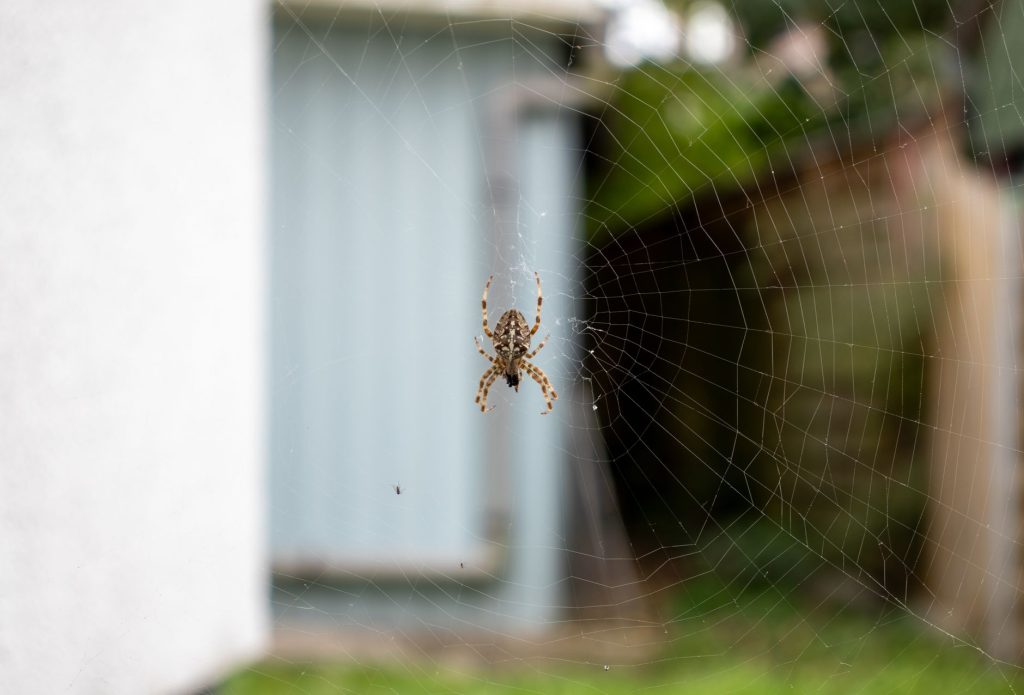
Spider infestations can cause costly problems. Learn the signs, risks, how to get rid of spiders in the house, and when to call Round the Clock Pest Services.
Key Takeaways About Getting Rid of Spiders in the House
- Keeping storage areas clean and organized is a critical first step when you want to get rid of spiders in your house, since many species prefer dark, undisturbed spots.
- Reducing the insects that spiders feed on inside your home can help lower spider populations over time.
- Learning to tell common house spiders apart from potentially concerning species helps you decide how to respond when you spot one.
- Heavy indoor spider infestations may require more involved control efforts than simple cleanup alone can provide.
How to Identify Spiders in Your House
Before taking steps to get rid of spiders in your house, it helps to know what you’re dealing with. Most spider species you find indoors can bite, and most produce venom. However, according to Mississippi State University Extension, according to Mississippi State University Extension, only three species commonly found in homes in their region are seriously venomous to humans: the black widow, the brown widow, and the brown recluse. Understanding which species are present helps you decide how urgently to respond.
How to Tell Spider Types Apart in Your House
Telling spider species apart starts with a careful look at body shape, color, and markings. Black widows are typically glossy black with a red hourglass shape on the underside of the abdomen. Brown widows share a similar body shape but are lighter in color with varied patterning. The brown recluse is tan to brown and smaller than many house spiders. Knowing these visual differences can help you gauge whether a spider belongs to one of the seriously venomous species.
How to Spot Spider Activity Inside Your Home
Webs are the most obvious sign of spider activity indoors. You may notice irregular webs in corners, along ceilings, or behind furniture. Shed skins and egg sacs tucked into quiet spots also point to an active population. If you see spiders regularly in living spaces, there may be a larger presence in less visible areas of your home.
Where Spider Activity Shows Up Around Your Home
Spiders tend to appear in areas that offer shelter and access to prey. Garages, attics, and basements are common spots. You may also notice activity near light fixtures, where insects gather. Because most spider species can bite, it is worth keeping an eye on areas where you store items or where clutter accumulates.
Exterior Entry Points Spiders Use Around Your Home
Spiders often enter homes through gaps around doors, windows, and utility openings. Cracks in the foundation or loose weatherstripping can provide easy access. Checking these entry points each season and sealing any gaps you find is a practical first step in reducing the number of spiders that make their way inside your home.
Why Spider Problems Develop in the House
Spider problems inside your home rarely happen by accident. These pests follow a pattern: they settle where they can find food, darkness, and shelter from disturbance. Understanding what draws spiders indoors and how they move through your house is the first step toward addressing an infestation.
Outdoor Nesting Areas for Spiders Around Your Home
Outdoor debris piles can create ideal habitat for spiders. Black widow spiders, for instance, favor areas where debris accumulates around the exterior of a home. Keeping these materials from piling up near your foundation removes the sheltered spots spiders use before finding a way inside.
Food and Shelter That Attract Spiders to Your Home
Brown recluse spiders hide in dark, undisturbed areas and come out at night to roam in search of food, according to Kansas State University Extension. As daylight approaches, they look for dark spots to retreat into, which may include shoes, toys, or piles of clothing left on the floor.
Southern house spiders share similar preferences. Closets, boxes, and seldom-used rooms give these spiders exactly the kind of quiet shelter they seek.
How Spiders Move Around Your Home
American house spiders tend to nest in corners of windows, basements, and garages. Brown recluses settle deeper inside closets and storage areas. Each species gravitates toward the conditions that suit its habits, which means spiders can turn up in very different parts of the same home.
Trails and Entry Points Spiders Use in the House
Voids, cracks, crevices, and baseboards all serve as pathways spiders use to travel through your home unnoticed. These gaps connect walls, storage spaces, and living areas, spiders use to travel through your home without detection.
Sanitation is the critical first step in controlling heavy infestations of brown recluses, southern house spiders, and other spiders that settle in indoor storage areas. Reducing clutter limits the dark, undisturbed spaces these pests depend on.
Risks From Spiders in the House
Understanding the risks spiders pose inside your home helps you decide how urgently to act. While most house spiders are nuisance pests, certain species can create real concerns for your health and your living spaces.
Health Risks Linked to House Spiders
Brown recluse spiders often hide in crevices created by the folds of infrequently used coats, bedding, or clothing. According to the Mississippi State University Extension, bites often occur when these items are worn without first checking for spiders. Shaking out stored clothing and linens before putting them on is one of the simplest steps you can take to lower your risk of an unexpected bite.
Property Damage From Spiders in the House
Spiders themselves rarely cause structural harm, but their presence can signal a larger pest issue. The brown recluse feeds on insects and other arthropods, including other spiders, and can also scavenge prey that is already dead. A growing spider population may point to an underlying abundance of the insects they feed on.
Joro spider egg sacs contain hundreds of eggs and may be deposited on walls and nearby structures around your home. Left unchecked, these egg sacs can lead to a noticeable increase in webbing and spider activity on exterior surfaces.
Food Areas and Spider Activity in the House
Spiders follow the pests they feed on. When insects gather near food preparation or storage areas, spiders may move in after them. According to Kansas State University Extension, reducing other arthropod prey depletes the resources spiders rely on to stay established in a home.
When to Look Closer at Spider Activity in the House
Brown recluse spiders produce webbing they use as a daytime retreat, so irregular webs tucked into quiet corners can signal an active hiding spot. If you notice webbing in storage areas, closets, or seldom-used rooms, it is worth investigating further rather than assuming the spider has moved on.
Egg sacs on walls, tree bark, or leaves near your home’s exterior may also warrant closer attention. Hundreds of eggs in a single sac can lead to a rapid increase in spider numbers if conditions remain favorable.
Professional Pest Control for Spiders
Getting rid of spiders in your house takes more than squishing the occasional one you spot on the wall. A lasting approach combines reducing what draws them indoors, sealing off entry points, and knowing when a professional service makes more sense than a DIY effort.
How to Reduce Attractants in The House
Indoor spiders such as American house spiders and brown recluses feed on insects that find their way inside. According to Mississippi State University Extension, anything you do to exclude insects from your home will also help reduce spider populations. Focusing on the prey source is one of the most practical first steps you can take.
Stored items can also harbor spiders. Boxes of old books and similar undisturbed belongings may contain brown recluse spiders. Clearing out or reorganizing stored materials reduces the sheltered spaces spiders rely on.
If your home has an attached garage, that transition zone deserves attention. Seal cracks around doors and access holes for electrical conduits or plumbing to block spiders from moving into your living areas.
Why Spider Control Starts With Inspection
Before any treatment plan takes shape, an inspection helps identify which spiders are present and how widespread the activity is. Several species can show up indoors, including brown recluses, American house spiders, black widows, and hobo spiders. Knowing what you are dealing with guides the right response.
It takes considerably more work to control a heavy infestation of indoor-dwelling spiders than it does to manage a handful of occasional visitors. Early identification through inspection helps clarify the scope of the issue before it grows more difficult to address.
What to Expect During Professional Spider Treatment
A professional service begins with identifying the species involved and assessing entry points. Service professionals look at the same areas you would during a DIY check, but with the experience to distinguish between species that require different approaches.
Round the Clock Pest Services, a woman-owned and operated company, places a strong emphasis on communication. Your service professional contacts you before arriving, so you know when to expect the visit and can discuss any concerns ahead of time.
The inspection covers attached garages, sealing opportunities around utility openings, and areas where stored items may be providing shelter. This targeted review sets the foundation for the control plan.
What to Expect From a Spider Control Plan
A control plan built on inspection findings addresses both the spiders already inside and the conditions that invited them. Reducing indoor insect populations cuts off the food source that sustains spiders.
Exclusion work, particularly sealing cracks around garage doors and openings for electrical or plumbing lines, is a core part of any plan. These physical barriers help limit new spiders from entering your living spaces.
Round the Clock Pest Services focuses on quality and 100% satisfaction. Because heavy infestations of indoor-dwelling spiders require more involved control, having a professional assess the situation helps ensure the plan matches the actual scope of the problem in your home.
How to Get Rid of Spiders in the House: Bottom Line
Getting rid of spiders in your home starts with reducing the insects they feed on and keeping storage areas clean and organized. Sealing entry points, decluttering undisturbed spaces, and addressing insect activity all help lower the chances of spiders settling indoors. When activity is heavy or you are unsure which species you are dealing with, a professional inspection can clarify the situation and guide next steps. Contact Round the Clock Pest Services to schedule an assessment of your home.
Frequently Asked Questions About Getting Rid of Spiders
Why Do Spiders Keep Showing Up Inside?
Spiders follow their food source. If insects are finding their way indoors, spiders may move in to prey on them. Reducing insect access through sealing gaps and maintaining a clean interior can help make your home less attractive to spiders over time.
Should I Be Worried About Venomous Spiders?
Most house spiders you encounter are not a serious concern. A small number of species can pose a health risk, so accurate identification matters. If you are uncertain about a spider you have found, a pest professional can help you determine what you are dealing with.
Can Cleaning Alone Solve a Spider Problem?
Keeping storage areas tidy and removing clutter reduces the sheltered spots spiders prefer. Cleaning is an important first step, but heavier activity may require additional measures. A professional evaluation can help determine whether further action is needed.
When Should I Call a Professional?
If you are seeing spiders regularly despite your own prevention efforts, or if you suspect a species that may be venomous, it is worth having a professional take a closer look. Persistent indoor spider activity can take more work to address, and a trained eye helps ensure the right approach.