
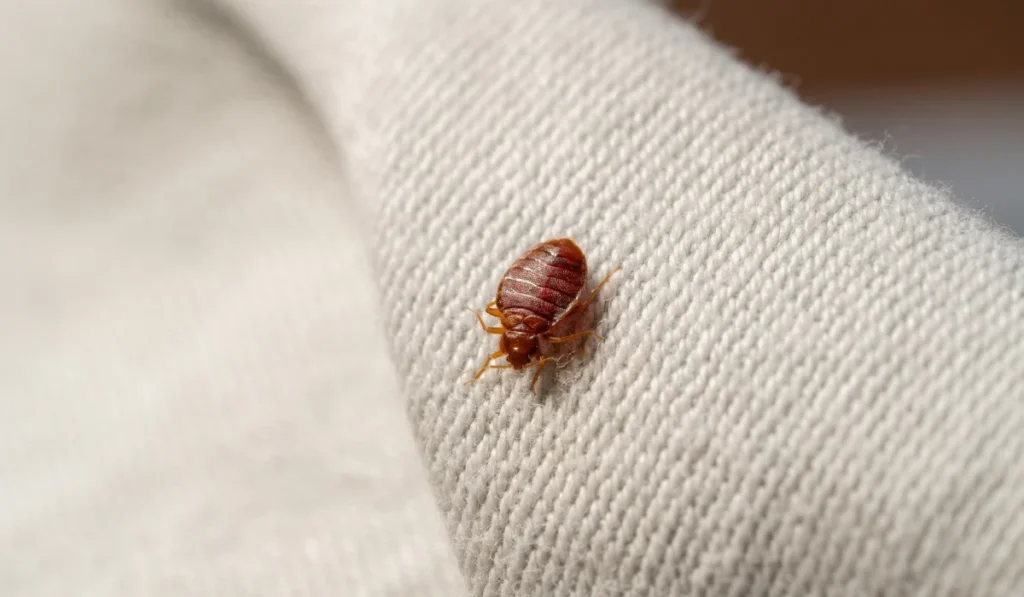
Finding bed bugs in an Orange County apartment is stressful. You might wake up with itchy welts, notice small stains on your bed sheets, or see a tiny bug near your mattress. In apartment complexes across Anaheim, Irvine, and Santa Ana, bed bug infestations can spread through shared walls, hallways, and nearby units, especially in multi-family housing.
If you discover bed bugs in your apartment, your first steps matter. Acting fast can help reduce bed bug populations and lower the risk of spreading them to neighbors.
Here is what to do first, how to spot signs of a bed bug problem, and which bed bug treatment options work best in multi-family housing, including professional bed bug control in California for apartment residents.
Key Takeaways
- Bed bugs in an Orange County apartment require quick action and written notice to your property manager.
- Confirm bed bugs by checking mattress seams, box springs, and small cracks. Avoid moving infested items or using foggers.
- Professional bed bug control uses targeted treatments and scheduled inspections to address the infestation and reduce the risk of recurrence.
What to Do First in an Apartment
When you notice signs of a bed bug infestation, stay calm. Rushing to throw out furniture or spray over-the-counter products can make things worse.
Confirm the Infestation
Start by checking common hiding places. Look closely at mattress seams, box springs, bed frames, and headboards. Bed bugs are small, flat, and reddish-brown. Adults are about the size of an apple seed. You may also see nymphs, which are smaller and lighter in color.
Use a flashlight to look into cracks and crevices. Dark droppings and shed skins are also signs. Avoid trying to clean up heavily infested areas before a proper inspection, since disturbing hiding places can make treatment more difficult. If you are unsure, contact a pest management professional to confirm the issue.
Notify Your Landlord or Property Manager
In multi-family housing, always notify your property manager in writing. Bed bug infestations can affect nearby units. Early reporting helps protect your tenant rights and prevents delays.
Many apartment complexes require coordinated bed bug management.
Avoid Moving Infested Items
Do not move mattresses, couches, or other infested items into other rooms or hallways. Moving them can spread bed bugs to new hiding places.
If you must handle clothing or linens, place them in a sealed plastic bag before moving them. Wash and launder items in hot water and dry them on high heat. High heat can kill bed bugs and their eggs when items reach and maintain the required temperature.
Skip Foggers and DIY Sprays
Avoid using foggers or random over-the-counter insecticides. Foggers often push bed bugs deeper into walls and crevices instead of eliminating them.
Bed Bug Signs and Common Lookalikes
Not every bite or small bug is a sign of bed bugs. Knowing the signs helps you act quickly.
Live Bed Bugs and Nymphs
Adult bed bugs are flat and oval. They turn darker after feeding. Nymphs are smaller but still visible.
You may find them in mattress seams, behind headboards, in bed frames, or inside small cracks. They hide there during the day.
Bed Bug Bites and Welts
Bed bug bites often appear in clusters or straight lines. They can look like mosquito bites and may form red welts. However, not everyone reacts to bites.
If you see bites along with droppings or shed skins, bed bugs are one possible cause, but proper identification is recommended.
Stains and Droppings
Look for small dark spots on bed sheets, mattresses, or box springs. These spots are droppings and will smear if you wipe them.
You might also see tiny blood stains after a bed bug feeds. These stains are common on light-colored bedding.
Common Lookalikes
Carpet beetles, fleas, and even cockroaches are sometimes mistaken for bed bugs. Carpet beetle larvae look fuzzy and move differently. Fleas usually bite around the ankles.
Treatment Options in Shared-Wall Buildings
Treating bed bugs in an apartment building is different from treating a single-family home. Coordinated treatment across units is often necessary in apartment buildings.
Professional Inspection and IPM
Most professionals follow integrated pest management (IPM). IPM includes inspection, monitoring, vacuuming, targeted treatments, and prevention steps. IPM aims to control bed bugs over time, not just for a few days.
Targeted Bed Bug Treatment
Professional bed bug treatment may include targeted applications to cracks and crevices, along with recommendations to protect mattresses and box springs. Encasements can trap bed bugs inside and help reduce exposure to new infestations when properly installed.
Technicians treat cracks, crevices, baseboards, bed frames, and upholstered furniture.
Heat Treatment
Pest control professionals choose targeted treatment methods based on the severity of the infestation. Heat treatment raises room temperatures to levels that can kill bed bugs and their eggs, though results vary based on preparation and infestation severity.
Heat can reach inside furniture and other items where bed bugs hide. Your pest control company will decide if heat is the right option.
Follow-Up and Monitoring
Bed bug treatment often requires more than one visit, depending on the infestation size and conditions. Follow-up inspections help confirm that technicians resolved the infestation.
Book a Bed Bug Inspection in Orange County
If you suspect bed bugs in an Orange County apartment, do not wait. Bed bug infestations typically persist without treatment.
At Pest-R-Us Pest Services, our technician can inspect your apartment, confirm bed bugs, and explain your treatment options. Our pest control services use products labeled for indoor use and applied according to manufacturer instructions.
Contact us today to schedule a bed bug inspection and take the first step toward a bed bug-free apartment.